
Easy Ways to Manage
Chipped Tooth Pain
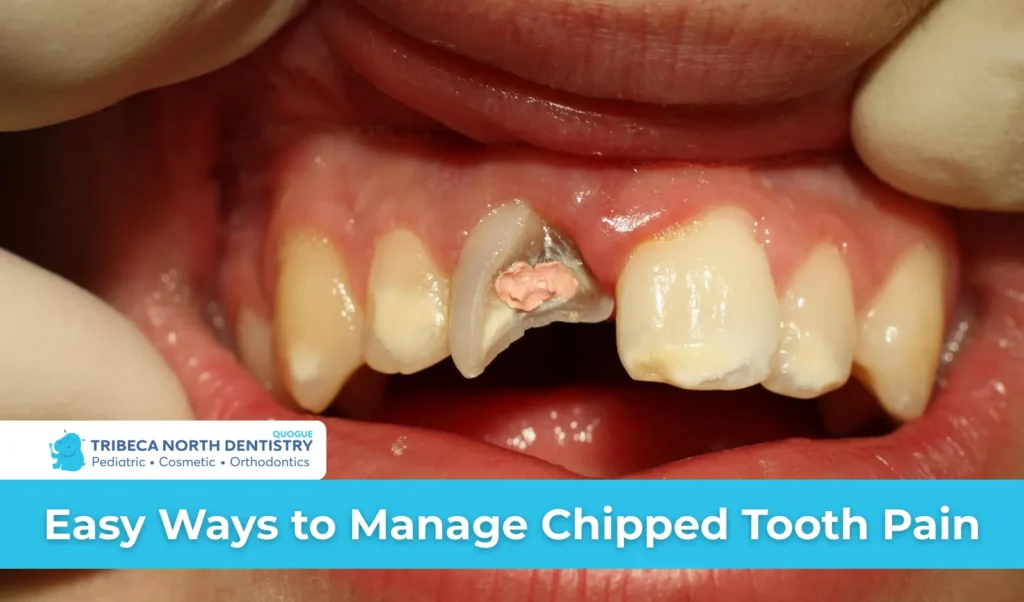
Quick Q&A:
What should I do if I chip a tooth?
First, rinse your mouth with warm water to remove debris and save any fragments. Cover sharp edges with dental wax or a temporary protective material to protect your tongue and cheeks. Avoid chewing on the damaged tooth, especially on hard foods, until you can see a dentist. Even minor chips can lead to sensitivity or irritation, so taking these steps at home helps prevent further damage and keeps tooth enamel safe.
If the chip is on a front tooth, it is especially important to act quickly. Knowing what to do for a chipped front tooth at home can prevent visible damage from worsening and protect your smile. Temporary measures like dental wax, gentle oral care, and soft foods are key until professional dental treatment can restore the tooth fully.
Key Takeaways:
- Quick home care, like rinsing your mouth and covering sharp edges, can reduce pain and prevent further damage to chipped teeth.
- Even minor chips can cause sensitivity or irritation, so acting early helps protect tooth enamel and overall oral health.
- Gentle dental care, including brushing with a soft-bristled toothbrush, supports long-term tooth strength.
- Professional dental treatment, such as dental bonding or dental crowns, restores a chipped tooth’s function, appearance, and durability.
- Combining home remedies with timely dental care ensures your smile stays healthy, prevents further damage, and maintains long-term oral health.
Introduction
A chipped tooth can happen in a split second, whether from an accident, biting something hard, or playing sports. Knowing what to do for a chipped tooth at home can make a big difference in protecting tooth enamel, reducing pain, and preventing further damage until you can see a dentist. Simple steps like rinsing your mouth, saving any fragments, and covering sharp edges with dental wax help keep your smile safe and comfortable.
Chipped teeth on the front are especially noticeable and can affect both appearance and function. If you are unsure what to do for a chipped front tooth, focusing on temporary protection, gentle dental care, and avoiding hard foods will safeguard your tooth and support long-term oral health until professional treatment is available.
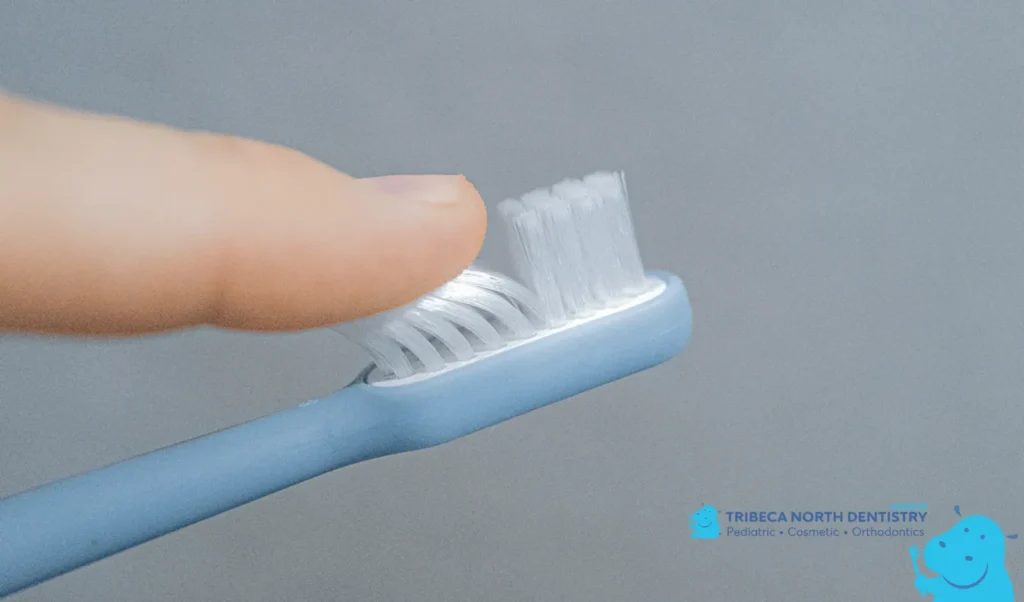
Oral Health Tips for Preventing Small Chips
Even small chips can affect your oral health if not addressed. Maintaining daily dental care is essential for preventing future damage. Habits like nail-biting or chewing pens can worsen chipped teeth, so avoiding them is important. Strengthening enamel and protecting teeth during contact sports also helps maintain long-term oral health.
- Brush gently with a soft-bristled toothbrush.
- Limit sticky or sugary snacks that can weaken teeth and make minor chips worse.
- Wear a mouthguard during contact sports to prevent chipped or broken teeth.
- Monitor your teeth for sharp edges or small chips and see a dentist promptly if you notice any damage.
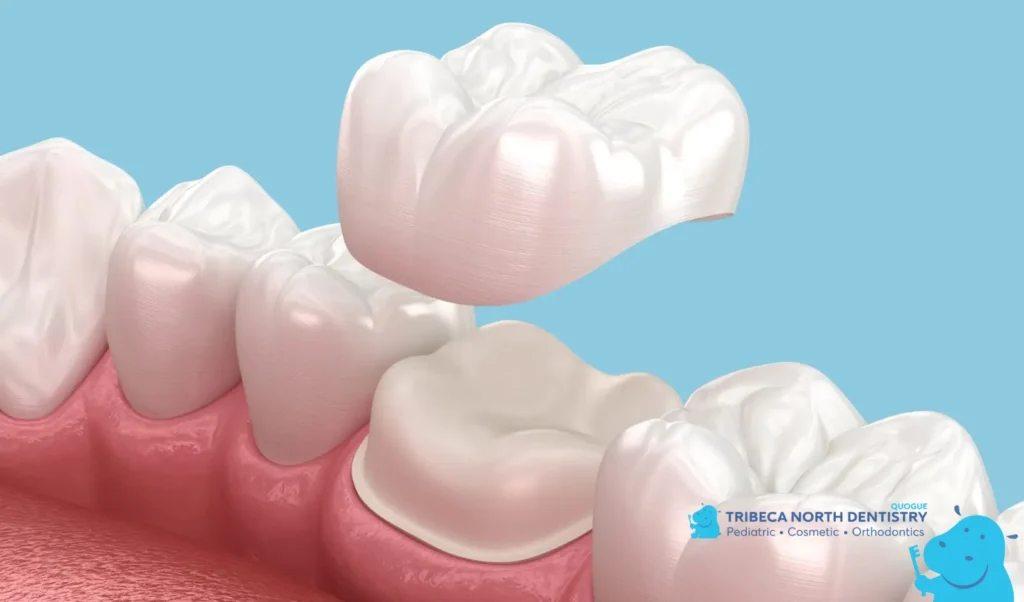
When to Consider Dental Crowns or Bonding
Fixing a chipped tooth often requires more than home remedies. Dental bonding is an effective option for minor chips, restoring both appearance and function while protecting tooth enamel. A dentist can determine whether bonding, dental crowns, or other dental treatment is the best solution based on the size and location of the chip.
For larger or more complicated chips, dental crowns provide extra protection and long-term durability. Crowns help prevent further damage and ensure the chipped or broken tooth maintains its strength. Prompt treatment also protects oral health and preserves tooth enamel, preventing the need for more extensive dental treatment later.
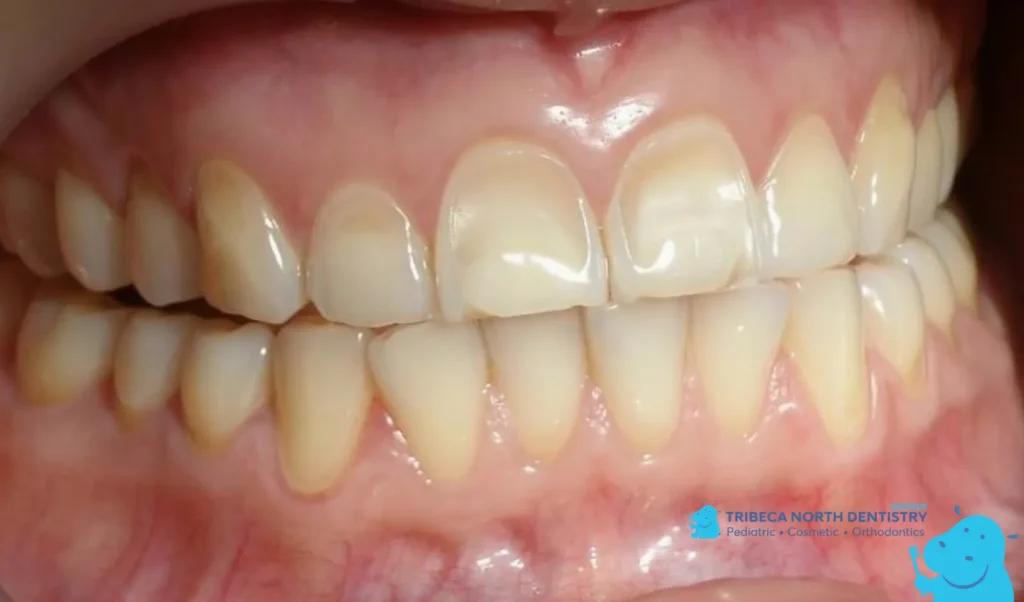
Why Home Remedies Alone Cannot Fix a Chipped Tooth
Home remedies are useful for temporary relief, but they do not repair the tooth permanently. Covering sharp edges, rinsing your mouth, and managing minor chips can reduce discomfort and the risk of infection, but professional dental treatment is necessary to restore tooth enamel and function, and to prevent dental erosion.
Relying only on home care may leave the damaged tooth vulnerable to further chipping or decay. Long-term oral health depends on combining careful home care with dental bonding, crowns, or other professional treatments. Understanding what to do for a chipped front tooth and seeking dental care quickly ensures that your smile is restored safely and effectively.
Final Thoughts
Even minor chips can irritate your mouth and increase sensitivity if left untreated. Gentle home care, combined with prompt dental treatment, protects your teeth and ensures your smile stays healthy and strong. Using protective measures like nightguards or soft-bristled toothbrushes supports long-term oral health and prevents further damage.
Knowing what to do for a chipped tooth at home can reduce stress and pain while you wait for professional care. Taking action immediately helps preserve tooth enamel, prevent infection, and maintain both the appearance and function of your smile.
Trusted Restoration for Chipped Teeth
If you have chipped teeth, do not wait. At Tribeca North Dentistry – Quogue, our team provides safe and effective dental treatment to repair a chipped or broken tooth. Whether you need dental bonding for minor chips, dental crowns for larger damage, or even oral surgery in more severe cases, we focus on restoring tooth enamel while protecting your long-term oral health.
If your chipped tooth causes severe pain or discomfort, our emergency dentist services are available to address urgent situations quickly. Call (631) 996-3811 to schedule your appointment today and get professional care to fix your chipped tooth, prevent further damage, and maintain a healthy, confident smile.
Frequently Asked Questions
I chipped my tooth. What should I do first?
Rinse your mouth with warm water, save any fragments, and cover sharp edges with dental wax or a temporary protective material. Avoid chewing on the tooth until you see a dentist.
I have a small chip but no pain. Do I still need to see a dentist?
Yes. Even minor chips can lead to irritation, sensitivity, or infection if left untreated. A dentist can restore strength and prevent bigger problems.
I feel sensitivity after chipping my tooth. Is that normal?
Yes, it is common. The enamel is weaker, and the dentin may be exposed. Avoid very hot, cold, or sugary foods until your tooth is treated.
Do you know when a chip becomes an emergency?
Yes. Seek care immediately if there is severe pain, continuous bleeding, swelling, signs of infection, or if the nerve is exposed.
