
Understanding Tooth Pain When Eating and Chewing
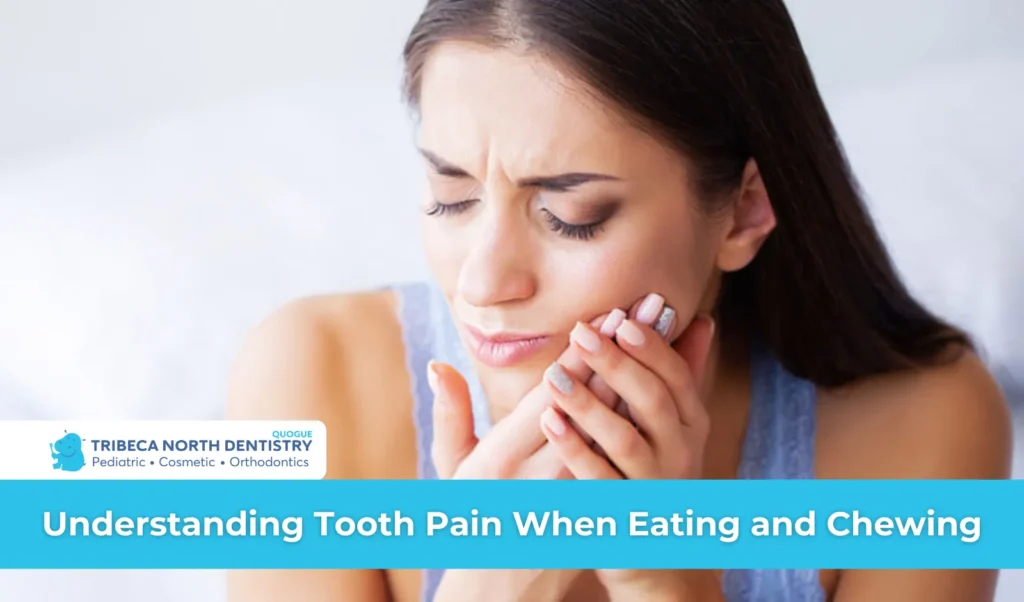
Tooth pain while eating can significantly impact daily meals and overall comfort. Some people experience sharp pain when biting into sweet foods, while others feel a lingering, dull ache. Pain may also occur during chewing, affecting daily eating habits and overall comfort.
Understanding the causes and how to manage the pain is important for maintaining your overall dental health. By practicing the right care and simple habits, you can prevent or reduce most discomfort and protect your smile and dental health.
Causes of Tooth Pain When Eating
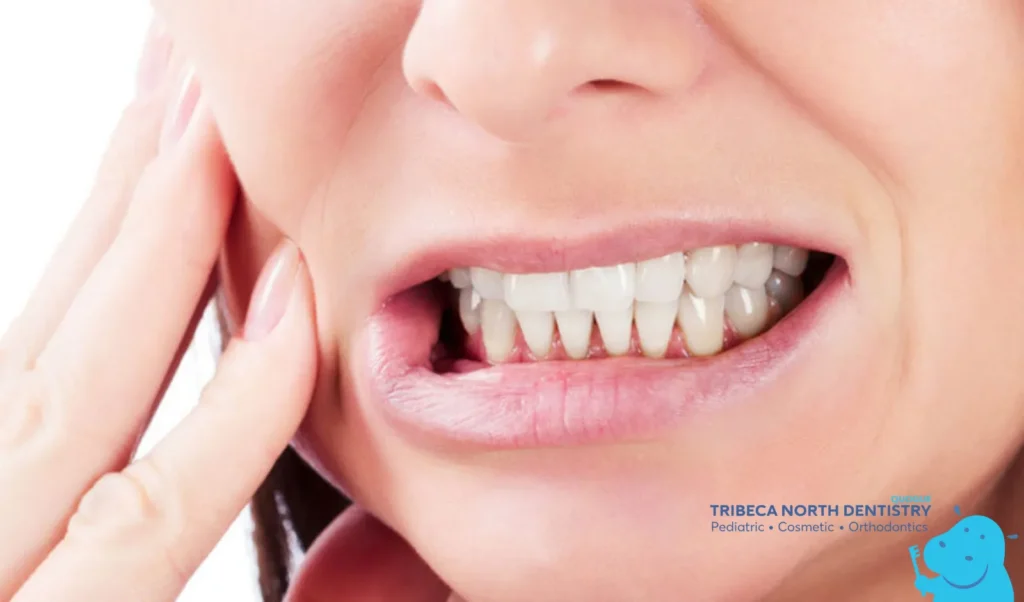
Understanding the reasons behind tooth pain when eating can help you take the right steps to prevent discomfort. Several common dental issues, from decay to sensitivity, may cause sharp or lingering pain while chewing or enjoying sweet foods. Identifying the cause early allows for proper treatment and protects your overall dental health.
- Tooth Decay: Tooth decay is one of the most common reasons for tooth pain when eating. Bacteria in your mouth produce acids that wear down tooth enamel and create cavities. Pain may occur when eating or chewing, especially with sweet foods, because sugar feeds the bacteria.
- Sensitive Teeth: Some people have sensitive teeth that react to hot drinks, cold foods, or sweets. Enamel wear or erosion can expose the dentin under the tooth, making it painful.
- Gum Disease and Receding Gums: Gum disease can cause gums to pull away from the teeth, leading to gum recession. This exposes tooth roots and can make chewing or eating sweet foods painful. Early gum disease, called gingivitis, can progress to periodontitis if untreated.
- Cracked Tooth: A cracked tooth may not be visible but can cause pain when chewing. Sharp pain that comes and goes may indicate a crack that needs treatment. Addressing a cracked tooth promptly helps protect your dental health and prevents more serious problems.
- Teeth Grinding (Bruxism): Grinding your teeth, often during sleep, can wear down enamel and make teeth more sensitive. This can lead to pain when chewing or eating, especially if enamel erosion is present. Protecting your teeth from grinding is essential for long-term dental health.

Why Does Tooth Pain When Eating Sweets Happen
Sweet foods can make tooth pain worse because sugar feeds the bacteria in your mouth. These bacteria produce acids that wear down tooth enamel, leading to cavities and worsening gum disease. When enamel wears away or gums start to recede, your teeth may become very sensitive, and even a small bite of a sweet treat can trigger sharp pain.
Over time, untreated tooth sensitivity and decay can lead to more serious dental problems. That is why maintaining good oral hygiene, such as flossing daily and using desensitizing products when needed, is essential.
Preventive Measures for Tooth Pain When Eating
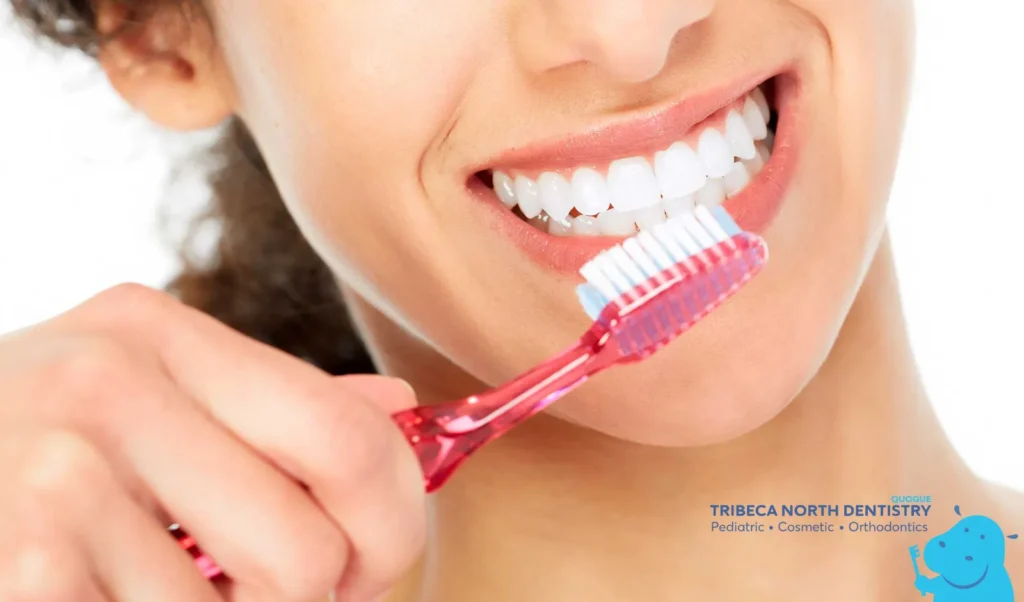
You can take simple steps at home to reduce tooth pain when eating and protect your dental health. Here are some key preventive measures to keep your teeth strong and pain-free.
- Maintain Good Oral Health: Brush your teeth at least twice a day and as much as possible, use a soft-bristled toothbrush. Floss daily to remove food between teeth and prevent gum disease and gum recession. Proper oral care supports overall dental health and reduces sensitivity.
- Use Desensitizing Toothpaste: For sensitive teeth, desensitizing toothpaste can strengthen enamel and reduce pain when eating sweets, hot or cold foods, or when chewing. Regular use helps protect your teeth and prevent further dental issues.
- Limit Sweet Foods: Too many sugary snacks and drinks can cause tooth decay and enamel erosion. Rinse your mouth with water after eating sweets to reduce the risk of cavities and sensitivity.
- Protect Teeth from Grinding: If you grind your teeth at night, consider a mouthguard. This helps prevent enamel wear and reduces pain when chewing, protecting your dental health over time.
- Routine Dental Visits: Regular checkups help catch dental problems early. Your dentist can identify tooth decay, gum disease, gum recession, cracked teeth, enamel erosion, and other dental issues before they get worse. Visiting your dentist regularly ensures your dental health stays on track and prevents long-term problems.
Treatment Options for Tooth Pain When Eating
If you experience tooth pain when eating, there are several effective treatments your dentist can provide. Here are some common treatment options that help restore comfort and function.
- Fillings and Restorations: Cavities can be treated with fillings or other restorations to repair enamel and relieve pain when eating or chewing.
- Gum Disease Management: Professional cleaning and treatment can stop gum disease, protect receding gums, and improve overall dental health. Treating gum disease early helps reduce sensitivity and discomfort.
- Dental Crowns or Bonding: A cracked tooth may need a crown or bonding to restore function and reduce pain when chewing. Prompt treatment preserves your dental health.
Conclusion
Tooth pain when eating can range from mild discomfort to severe problems that affect daily life. Common causes include tooth decay, gum disease, sensitive teeth, enamel erosion, teeth grinding, and gum recession.
Regular dental visits are essential for keeping teeth and gums healthy and maintaining long-term dental health. If you experience ongoing tooth pain when chewing or eating, do not wait. Schedule a visit with Tribeca North Dentistry Quogue to protect your teeth, gums, and overall smile.
Your Partner in Complete Dental Health
If your tooth pain keeps coming back or you need more than short-term relief, the team at Tribeca North Dentistry Quogue is ready to help. We provide gentle, reliable dental care for patients dealing with tooth pain when chewing, tooth pain when eating sweets, sensitivity, gum problems, or other dental concerns.
Call (631) 996-3811 today to schedule an appointment and learn about treatment options that relieve pain while keeping your smile healthy and confident.
