
Tooth Pain After Dental Treatment: Causes and Expectations

Dental work is meant to improve your smile and protect your dental health, but it’s common to feel uneasy when discomfort shows up afterward. Many people experience tooth pain after filling, tooth pain after crown placement, or even tooth pain after tooth pulled procedures. While this sensation can be worrying, it doesn’t always mean something is wrong.
Understanding why pain happens after dental work and knowing when to pay attention can help you stay calm, informed, and proactive about your oral health.
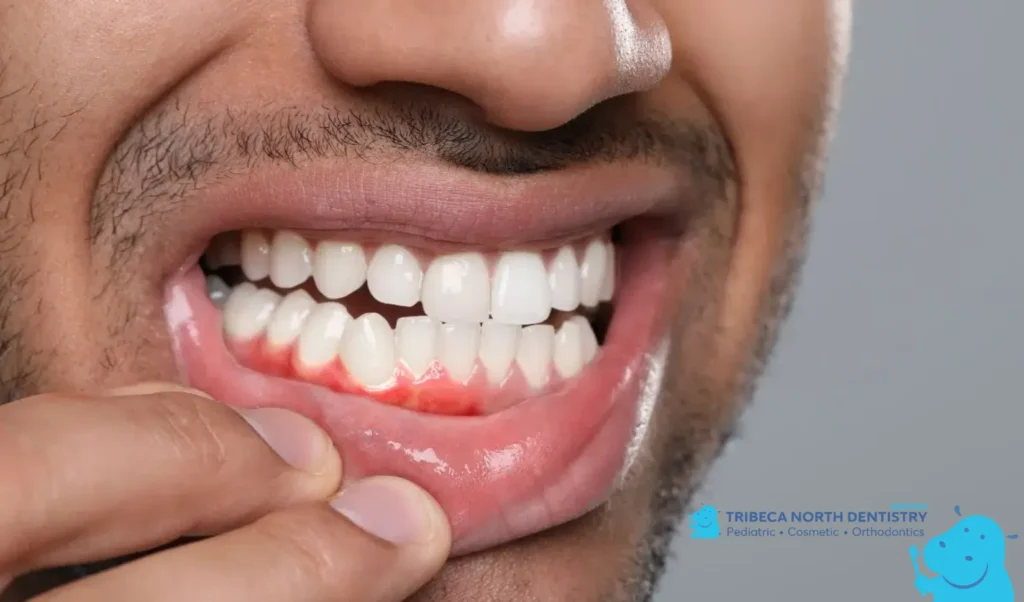
Why Tooth Pain Can Happen After Dental Work
After any dental work your mouth needs time to adjust. Teeth, gums, and surrounding tissues are sensitive, and even small changes can trigger sensations.
Some of the most common reasons discomfort appears include:
- Nerve irritation from dental instruments or materials
- Pressure changes when the tooth adjusts to a new filling or crown
- Temporary inflammation in nearby gum tissue
- Sensitivity to hot or cold foods
In many cases, this results in mild discomfort that fades as your mouth settles into its new normal.
Tooth Pain After Filling: What You Might Notice
Filling tooth pain after a dental visit is one of the most frequently reported concerns. Some people describe discomfort when biting down, while others notice sensitivity when eating or drinking.
This can happen because:
- The filling material needs time to settle
- The tooth may feel slightly taller than before
- Nearby nerves react to recent dental work
It’s also common to feel pain when biting for a short period, especially during the first 24 hours. Chewing slowly and choosing softer foods can help during this adjustment phase.

Tooth Pain After Crown Placement
A dental crown is designed to protect and strengthen a tooth, but the process can temporarily irritate the surrounding area. Tooth pain after crown placement may feel like pressure, soreness, or sensitivity on one side of your mouth.
You might notice discomfort when:
- Biting down on firm foods
- Eating hot or cold foods
- Chewing on the affected side
Switching to chew on the opposite side for a short time can reduce strain while the area settles.
Tooth Pain After Tooth Pulled: What’s Common
Tooth pain after tooth pulled procedures is expected to some degree. The mouth has undergone a change, and nearby tissues are adjusting. Mild discomfort, tenderness, or soreness around the area is normal during early healing.
However, pain should gradually improve rather than intensify. Paying attention to how your mouth feels over time is key.
Sensitivity vs. Persistent Pain
Short-term sensitivity is different from persistent pain. Sensitivity usually comes and goes, especially when exposed to temperature changes or pressure. Persistent pain, on the other hand, may linger or worsen.
Some signs worth noticing include:
- Pain that lasts longer than expected
- Increasing discomfort instead of improvement
- Pain that spreads to the jaw or side of your mouth
These may not automatically signal a problem, but they are reasons to consult your dentist for reassurance.
Signs of Infection to Be Aware Of
While many post-treatment sensations are temporary, being aware of potential signs of infection is part of good dental care. These may include swelling, warmth, or discomfort that doesn’t improve.
Noticing changes early allows you to contact your dentist promptly and protect your dental health.

Managing Mild Discomfort After Dental Work
If discomfort is minor, simple habits can help you stay comfortable while your mouth adjusts:
- Avoid very hot or cold foods for a short time
- Use counter pain relievers as directed
- Eat softer foods and chew slowly
- Focus on keeping the area clean to reduce inflammation
These small steps may help tissues recover naturally while protecting your smile.
When to Reach Out to Your Dentist
You know your body best. If pain feels unusual, lasts longer than expected, or interferes with daily activities, it’s reasonable to seek professional input. Reaching out doesn’t mean something is wrong; it simply supports responsible dental care.
Clinics like Tribeca North Dentistry – Quogue emphasize patient comfort and education, helping individuals understand what’s normal after dental work and what may need attention.
Supporting Long-Term Oral Health
Staying informed helps you feel confident after dental visits. Understanding how your mouth reacts to dental fillings, crowns, or extractions allows you to make thoughtful decisions and avoid unnecessary worry.
Maintaining good oral health includes:
- Paying attention to changes
- Following up when discomfort persists
- Valuing open communication with your dental provider
Trusted practices such as Tribeca North Dentistry – Quogue focus on supporting patients through every stage of dental care, from routine treatments to post-visit concerns.
Final Thoughts: Listening to Your Mouth Matters
Tooth pain after filling, tooth pain after crown placement, or tooth pain after tooth pulled procedures can feel unsettling, but they’re often part of the adjustment process. Being aware of what’s typical, watching for persistent pain, and knowing when to consult your dentist can help protect your dental health without unnecessary stress.
Take the Next Step Toward a More Comfortable Smile
When discomfort lingers or feels distracting, taking action sooner rather than later can make a meaningful difference. A trusted dental team can help address concerns early and support long-term oral wellness.
For personalized care in a calm, welcoming setting, contact Tribeca North Dentistry – Quogue at 631-996-3811 to book an appointment. Taking action today can help you move forward with greater comfort and peace of mind.
