


Quick Answer
What is the safest way to relieve tooth pain at home?
A warm saltwater rinse, cold compress, and over-the-counter pain relievers may help ease tooth pain temporarily. These methods can reduce irritation and make eating or resting more comfortable. However, home remedies cannot treat cavities, infections, or damaged teeth. If pain continues, worsens, or comes with swelling, a dentist should examine the affected tooth.
Key Takeaways
- Warm saltwater rinses may soothe irritated gums and remove food debris
- Cold compresses can help reduce swelling around a painful tooth
- Over-the-counter pain relievers may provide temporary comfort
- Garlic and essential oils can irritate or damage sensitive gum tissue
- Home remedies cannot repair cavities or treat dental infections
- Persistent or severe tooth pain requires professional dental care
Dental pain can appear suddenly or build slowly over time. You may feel sensitivity, pressure, or aching around an affected tooth, making it hard to eat, sleep, or focus. Common dental issues linked to discomfort include cavities, gum irritation, cracks, or infection. While only a dentist can identify the exact cause, many patients look for comfort first and ask how to manage pain safely at home.
Knowing how to help tooth pain at home can bring temporary relief and help you stay comfortable until you see a dental professional.
Can Home Remedies Really Help Tooth Pain?
A home remedy for tooth pain won’t cure the underlying problem, but it can help calm irritation, manage swelling, and ease discomfort. These methods are often used when pain appears suddenly or outside office hours. Many patients find that homemade remedies for tooth pain help them relax and reduce discomfort short-term.
Effective Home Remedies for Tooth Pain
Below are simple, widely used home remedies for toothache that focus on comfort and cleanliness.
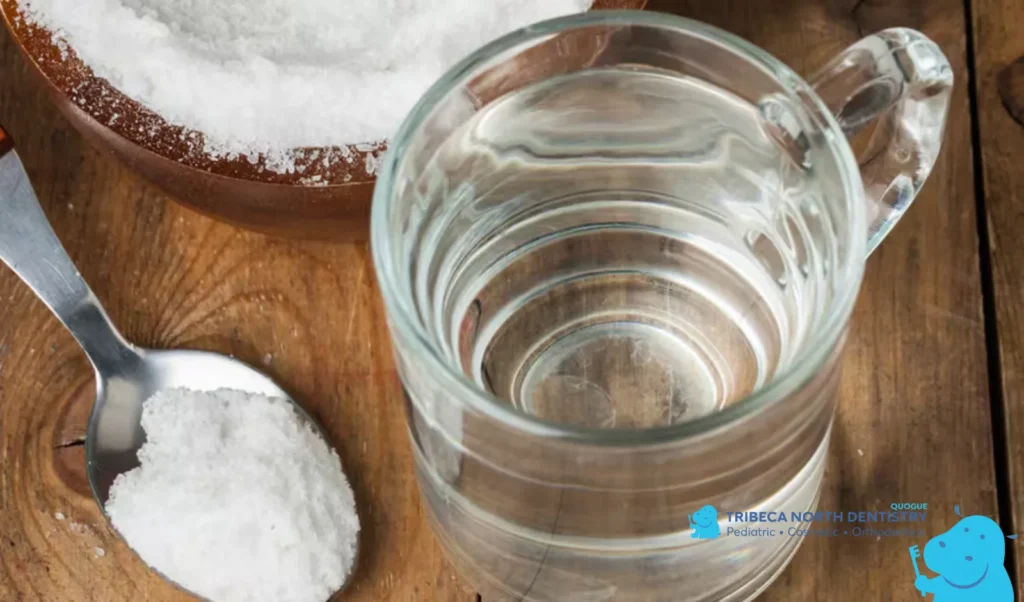
Salt Water for Tooth Pain
A warm salt water rinse is one of the most trusted options. Salt acts as a natural disinfectant, helping reduce harmful bacteria, loosen debris, and reduce plaque.
Mix a teaspoon of salt into a cup of warm water and swish gently for 30 seconds. Repeat several times a day as needed. Many patients ask, does salt water help tooth pain? Yes, it often helps reduce swelling and irritation.
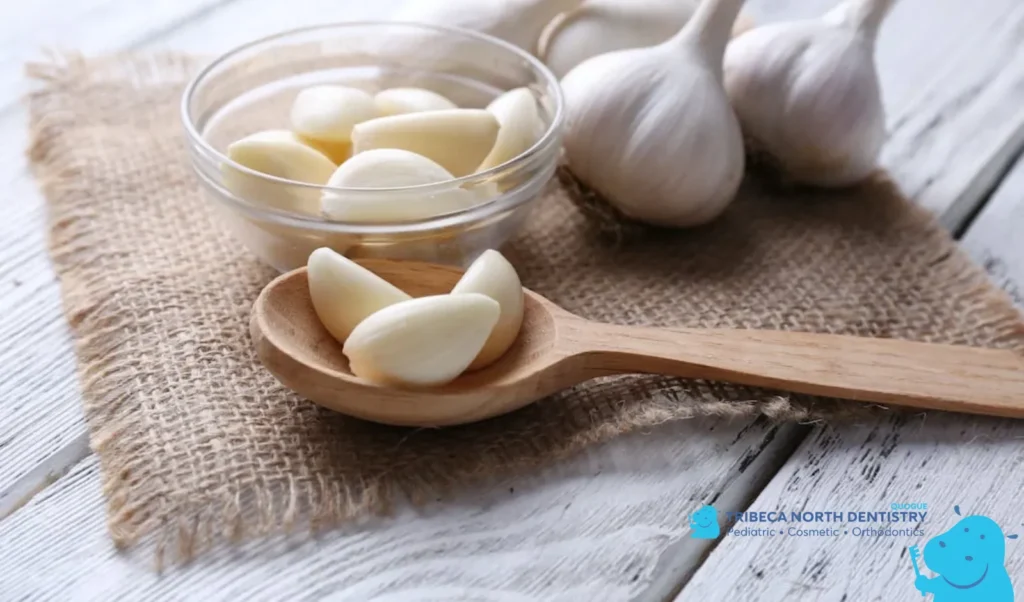
Garlic for Tooth Pain
Garlic for tooth pain has been used for generations. Garlic contains natural compounds with anti-inflammatory properties that may help slow bacteria growth and soothe irritation when placed near the painful area.
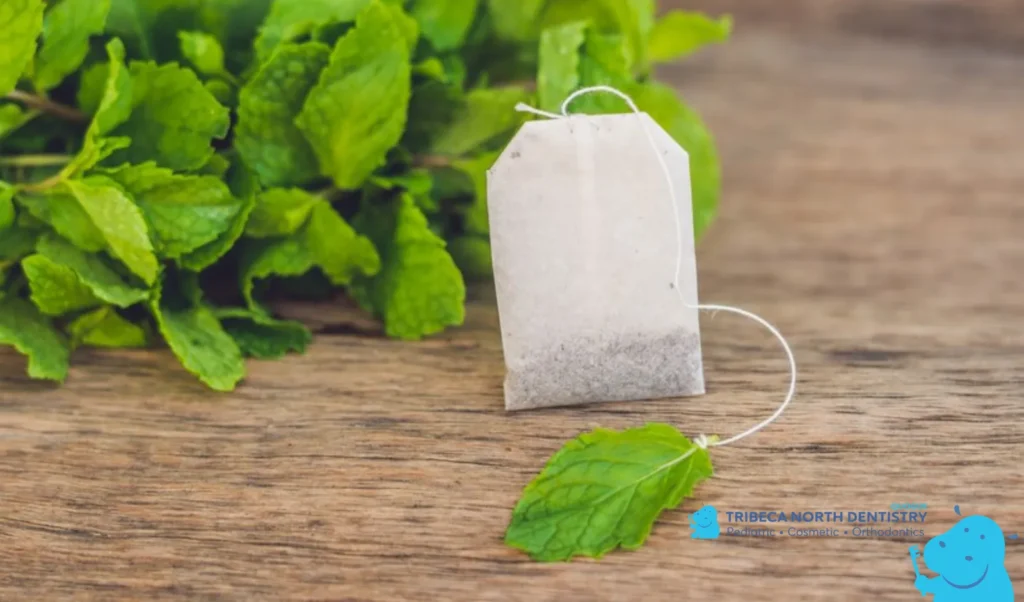
Tea Bag for Tooth Pain
A warm or cool tea bag for tooth pain can be calming. Tea contains tannins that help tighten tissues and ease discomfort. Peppermint tea bags are especially soothing and can help numb the area temporarily.

Essential Oils for Tooth Pain
Some essential oils for tooth pain, such as clove or peppermint oil, are commonly used for comfort. When diluted properly, they may help calm the nerves and reduce sensitivity around a painful spot.
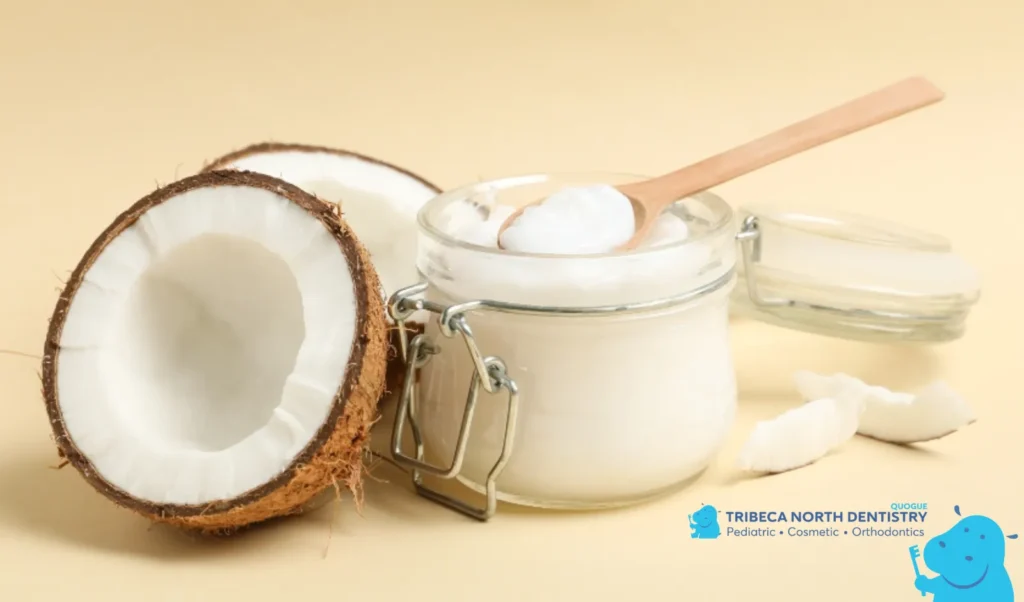
Oil Pulling for Tooth Pain
Oil pulling for tooth pain involves gently swishing coconut oil for several minutes. This method may help reduce bacteria and support oral cleanliness when paired with regular brushing and flossing.
Hydrogen Peroxide Rinse
A diluted hydrogen peroxide rinse can help cleanse the mouth and reduce bacteria. This option is often used when gums feel irritated, but it should always be diluted and not swallowed.

Apply a Cold Compress
To reduce swelling and discomfort, apply a cold compress to the outside of the cheek near the painful tooth. This can help relieve pain by calming the area and slowing inflammation.
Counter Pain Relievers
Counter pain relievers can help manage discomfort temporarily. Always follow package directions and avoid placing medication directly on gums.
Home Remedies for Severe Tooth Pain
When pain becomes intense, patients often search for unbearable tooth pain and what to do at home. In these moments, combining remedies may help:
- Rinse with warm salt water
- Use a cold compress
- Apply diluted clove oil or peppermint tea bags
- Avoid chewing on the affected side
These home remedies for severe tooth pain may help stabilize discomfort. If pain interferes with eating or sleeping, it’s important to contact a dentist promptly.
Related: Clove Oil for Tooth Pain: What Patients Should Know
When to Call a Dentist
Tooth pain remedy at home is temporary. You should schedule a dental visit if:
- Dental pain lasts longer than two days
- Swelling worsens or spreads
- Pain returns after being relieved
- Chewing becomes difficult
Some problems may require professional care such as fillings or root canals to fully resolve discomfort.
Supporting Oral Health Between Visits
Maintaining daily habits can help prevent future pain:
- Continue brushing your teeth twice daily
- Practice gentle brushing and flossing
- Avoid very hot, cold, or sugary foods when sensitive
- Keep up with regular dental checkups
Final Thoughts
Knowing how to ease tooth pain fast can make a stressful situation feel far more manageable, especially when discomfort interferes with daily activities like eating or sleeping. While a tooth pain home remedy may help calm irritation and provide short-term comfort, it’s important to remember that home care does not address the underlying cause of the pain. If discomfort returns, worsens, or lasts longer than expected, seeking professional dental care is the safest way to protect your oral health, prevent further complications, and ensure the issue is treated properly.
Related: When to Start Brushing Baby Teeth: A Parent’s Care Guide
Get Trusted Dental Care at Tribeca North Dentistry
If your discomfort continues or you need more than temporary relief, the caring team at Tribeca North Dentistry – Quogue is here to help. We offer gentle, dependable dental care for patients experiencing tooth pain, sensitivity, or other ongoing concerns, with a focus on comfort and long-term oral health.
Call (631) 996-3811 today to schedule your appointment and receive personalized care designed to restore your comfort and keep your smile healthy.
Frequently Asked Questions
What is the best remedy for tooth pain at home?
The best remedy for tooth pain depends on its cause. A warm saltwater rinse may help clean the mouth, while a cold compress can reduce swelling. Over-the-counter medication may also provide temporary relief. However, these methods cannot fix the underlying dental problem.
Can salt water help relieve a toothache?
Yes. You can rinse your mouth with warm salt water to loosen food particles and soothe irritated gums. Mix half a teaspoon of salt into a glass of warm water, swish gently, and spit it out. This may provide temporary comfort but cannot treat an infection.
Is garlic safe to use for tooth pain?
Some people crush a garlic clove and place it near the painful tooth because garlic contains compounds with antibacterial properties. However, raw garlic can burn or irritate oral tissues. Avoid applying it directly to the sore area, especially if your gums are already sensitive.
Can home remedies help with gum disease pain?
Some natural remedies, such as gentle saltwater rinses, may temporarily soothe discomfort caused by gum disease. However, they cannot remove hardened tartar or treat advanced gum problems. Professional cleaning or other dental treatments may be needed to control inflammation and protect the surrounding tissues.
How can I reduce swelling around a painful tooth?
Apply a cold compress to the outside of your cheek near the affected area for 10 to 15 minutes at a time. This may help reduce swelling and provide temporary pain relief. Avoid applying heat if swelling is present, and contact a dentist if symptoms worsen.
Can tooth decay pain go away without treatment?
Pain caused by tooth decay may come and go, but the damage does not heal on its own once a cavity forms. Even if discomfort disappears, bacteria may continue damaging the tooth. A dentist can determine whether a filling, crown, or another treatment is necessary.
How long can I use home remedies before seeing a dentist?
Home remedies should only provide temporary comfort while you arrange dental care. If pain lasts more than a day or two, keeps returning, or interferes with eating or sleeping, schedule an appointment. Severe pain, fever, or facial swelling requires prompt evaluation.
Can essential oils provide lasting toothache relief?
Clove oil contains eugenol, which may temporarily numb discomfort. However, concentrated essential oils can irritate or burn the gums, even when diluted. They do not repair damaged teeth or eliminate infections. Ask your dentist or pharmacist before using clove-based products for tooth pain.


