
ER for Tooth Pain:
How to Handle a Dental Emergency
Tooth pain is one of the most uncomfortable types of pain. It might start small but can get worse quickly. Pain can make it hard to eat, sleep, or talk. Many people wonder, can you go to the ER for tooth pain or can I go to urgent care for tooth pain? Knowing when the problem is serious is important to avoid bigger dental problems.
Severe dental pain can come from a broken tooth, a knocked-out tooth, or an untreated dental abscess. Even small problems, like cavities, can become bigger issues if ignored. Some dental problems, especially abscesses, can become life-threatening if not treated fast. Acting quickly can prevent serious complications and long-term damage to your teeth and gums.
Signs You Need Emergency Care
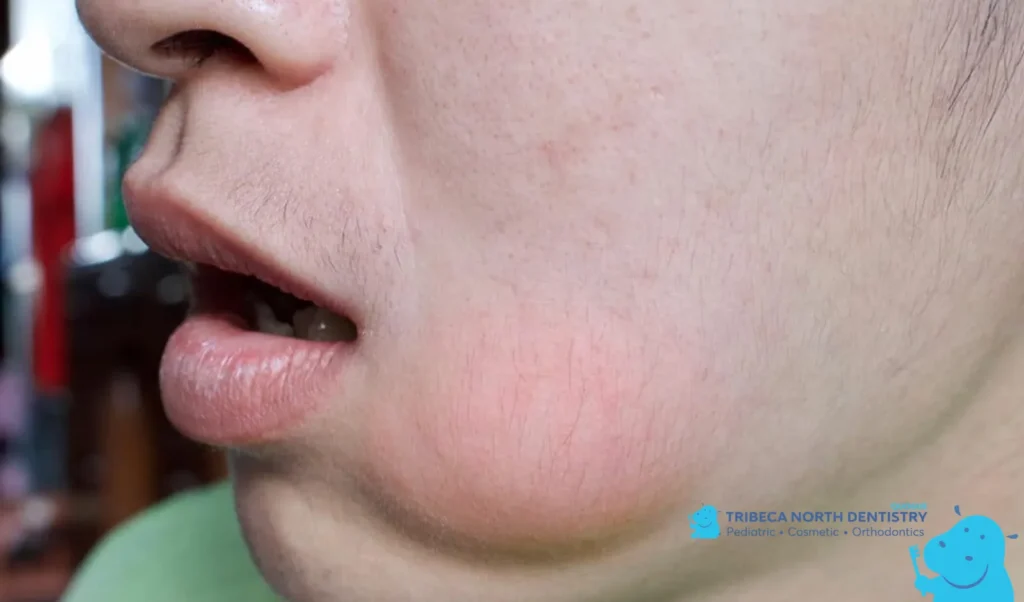
Not all tooth pain needs a visit to the nearest emergency room, but some signs mean you should get help fast. Swelling in your face or jaw, high fever, trouble swallowing, or difficulty breathing are serious signs. If you have a knocked-out tooth or a severe blow to the mouth, that also requires immediate attention.
If your pain is severe, does not go away, or comes with swelling or infection, it is safer to see an emergency dentist. Ignoring dental pain can make the problem worse and increase the risk of infection spreading.
Emergency rooms focus on stabilizing serious medical conditions. They can manage pain, swelling, or infection risk, but they do not treat the dental source of the problem.
Can Urgent Care Help?
Some people ask, can I go to urgent care for tooth pain. Urgent care centers can give over-the-counter pain relievers or antibiotics for mild infections. They can help you feel better temporarily. However, they usually cannot perform dental procedures like fixing a broken tooth or doing a tooth extraction.
For serious issues, such as heavy bleeding, severe infection, or a knocked-out tooth, it is better to go to the ER or an emergency dentist. Early treatment can reduce complications and prevent the dental pain from getting worse.

How to Manage Tooth Pain at Home
While waiting for professional care, there are safe ways to manage dental pain at home. These steps can help provide temporary relief, reduce swelling, and make you more comfortable until you reach the dentist’s office.
- Take over-the-counter pain relievers like ibuprofen or acetaminophen to help ease discomfort.
- Apply a cold compress to the outside of your cheek to reduce swelling.
- Avoid chewing hard or sticky foods on the side that hurts to prevent aggravating a broken tooth or other dental problem.
- Maintain good oral hygiene by gently brushing and flossing to prevent further irritation or infection.
- Rinse your mouth with warm salt water to soothe a tooth abscess or minor infections.
These measures only provide temporary relief and do not replace emergency dental care. Seeking treatment promptly at a dental office or dentist’s office is essential to prevent infections from spreading, address tooth pain, and avoid more serious dental problems.
How Emergency Dentists Can Help
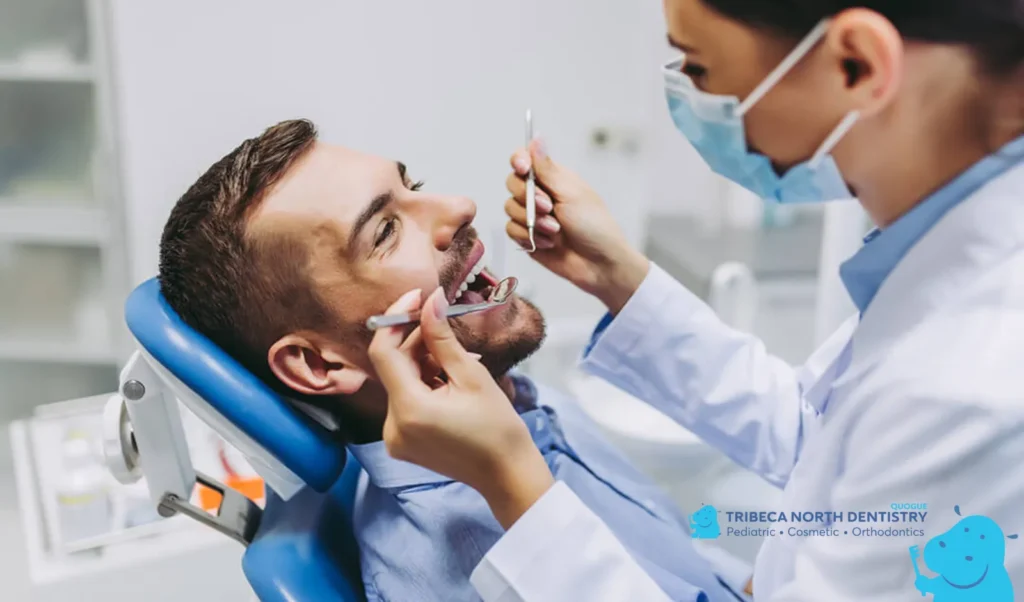
An emergency dentist or dental office can treat most urgent dental issues that the ER or urgent care cannot. They can repair a broken tooth, remove a badly damaged tooth, treat a dental abscess, or re-implant a knocked-out tooth. Quick care can relieve dental pain, prevent infections, and stop long-term damage to your teeth and gums. Prompt treatment also reduces the risk of further dental problems and helps restore normal function for eating and speaking.
Seeing a dentist early also lowers the risk of more dental problems. Regular dental visits and general dentistry checkups at a dental office catch small issues before they become emergencies.
Take Tooth Pain Seriously
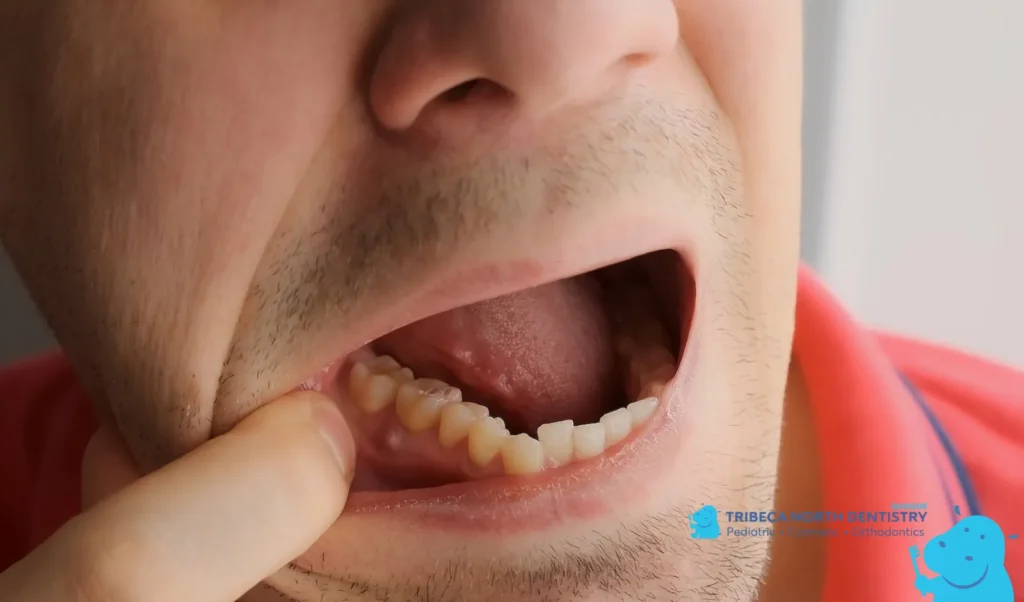
Dental problems should never be ignored. Severe tooth pain, an abscessed tooth, or injuries like a broken tooth or knocked-out tooth can get worse quickly if not treated. Temporary measures like counter pain relievers can help, but professional emergency dental care is essential.
Maintaining regular dental visits and preventive care at a dental office reduces the chance of emergencies. Knowing when to go to an ER for tooth pain, an urgent care center, or an emergency dentist can save your teeth and protect your overall health. Prompt action ensures that serious dental pain is treated before it becomes a bigger problem.
Conclusion
Knowing where to go during a dental emergency can protect your teeth and overall health. For most urgent problems, an emergency dentist is the best choice. The nearest emergency room should be used if the situation is life-threatening, such as severe swelling, trouble breathing, or major trauma. An urgent care center can give temporary relief but cannot perform dental procedures like a tooth extraction or fix a broken tooth.
Going to a dental office or dentist’s office quickly makes sure serious dental pain and dental problems are treated before they get worse. Regular dental visits also help prevent emergencies by finding issues early. Acting quickly for problems that require immediate attention protects your smile, prevents complications, relieves tooth pain, and keeps your teeth and gums healthy.
Protect Your Smile from Ongoing Pain
Persistent or recurring tooth pain deserves expert attention. At Tribeca North Dentistry Quogue, our caring team helps patients find relief from tooth pain when eating, chewing, sensitivity, gum problems, and other dental issues.
Call (631) 996-3811 today to book your appointment and discover how professional care can relieve your pain, restore comfort, and keep your smile healthy.
