
Chipped Wisdom Tooth No Pain: What It Means
Quick Answer
Can a wisdom tooth chip without causing any pain?
Yes. If the chip only affects the outer enamel and doesn’t reach the nerve, it’s possible to have no discomfort at all.
Key Takeaways
- A chipped wisdom tooth no pain situation is fairly common
- Absence of discomfort doesn’t always tell the whole story
- Wisdom teeth are harder to see and easier to overlook
- Early awareness helps prevent surprises later
- Understanding your options starts with clarity, not urgency
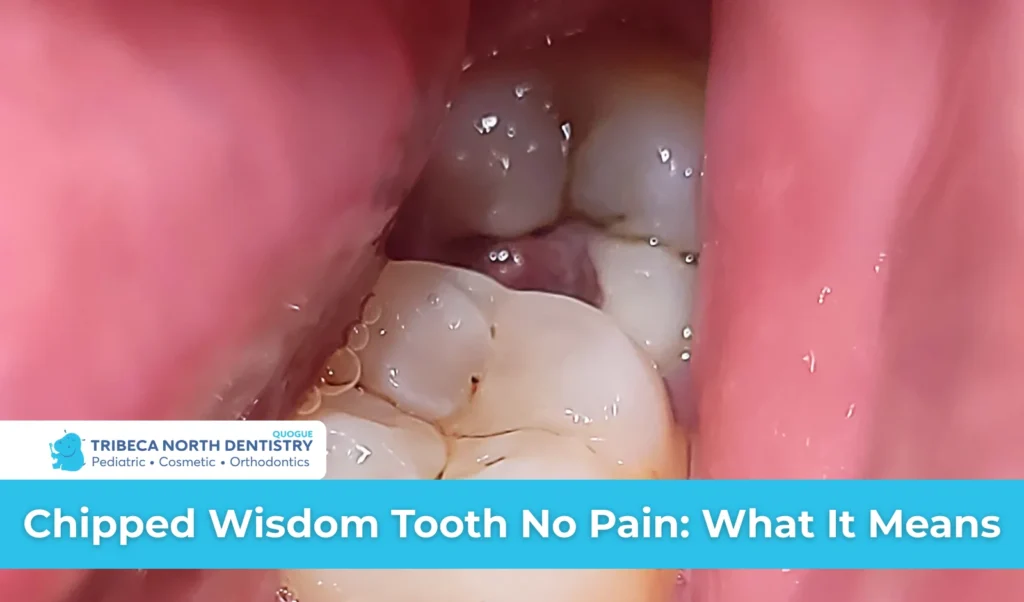
Noticing a chipped tooth can be unsettling, especially when it happens far in the back of your mouth. What often surprises people most is when a wisdom tooth chipped off no pain follows. No soreness, no swelling, no obvious discomfort. It’s easy to wonder whether it’s even an issue at all.
A chipped wisdom tooth without pain is more common than many expect. This blog breaks down why that happens, what the lack of pain may indicate, and why awareness still matters without jumping to diagnoses or assumptions.

Why Wisdom Teeth Chip More Easily
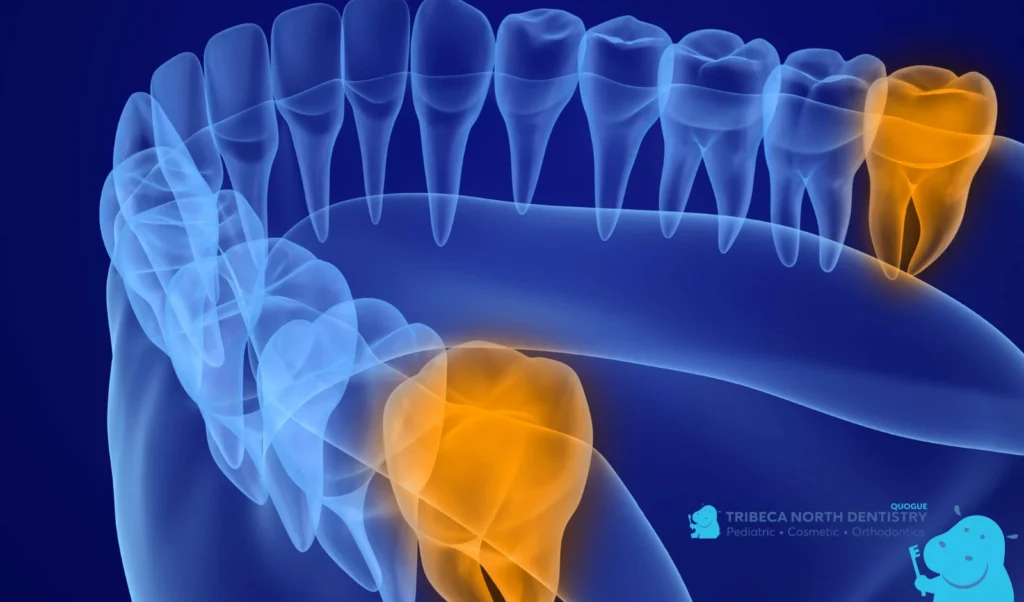
Wisdom teeth sit at the very back of the mouth, where chewing pressure is strong and visibility is low. Because they erupt later than other teeth, they often have less room and may not align as smoothly.
Common, everyday reasons wisdom teeth can chip include:
- Biting down on hard or crunchy foods
- Nighttime grinding or clenching
- Normal wear combined with limited space
- Small cracks that slowly expand over time
When the outer enamel is affected but deeper layers aren’t, a wisdom tooth chipped off no pain scenario can occur without warning.
Why There May Be No Pain at All
Pain usually happens when nerves are irritated. If a chip doesn’t reach those sensitive areas, discomfort may never show up.
Possible reasons pain is absent include:
- The chip only affects surface enamel
- Wisdom teeth can have reduced sensitivity
- The area doesn’t experience temperature extremes often
- The damage developed gradually
This explains why many people search for chipped wisdom tooth no pain. The experience feels confusing, but it isn’t unusual.
When “No Pain” Still Deserves Attention
Even without discomfort, a chipped tooth can subtly change how your mouth functions. Rough edges or small openings may not hurt, but they can still affect daily habits.
Over time, this may lead to:
- Food catching in one area
- Changes in how teeth meet when biting
- Uneven wear on surrounding teeth
- Hard-to-notice surface breakdown
This doesn’t mean something will go wrong. It simply means awareness is useful.
How Wisdom Teeth Are Different From Other Teeth
Wisdom teeth don’t behave like front teeth or primary chewing molars. Their position and timing make them easier to miss and harder to monitor.
They are more likely to be:
- Partially erupted or angled
- Difficult to clean thoroughly
- Used less consistently for chewing
- Checked less often without routine exams
Because of this, chips often go unnoticed until something feels different.
Small Changes Worth Noticing
Even without pain, it’s smart to stay aware of changes such as:
- A sharp edge felt by your tongue
- Food frequently getting stuck in one spot
- A visible change in tooth shape
- Occasional sensitivity that comes and goes
These signs don’t signal an emergency, but they do signal awareness.
Final Thoughts
A chipped wisdom tooth no pain situation can feel misleading. Pain is often treated as the main warning sign, but teeth don’t always follow that rule.
Many chipped wisdom teeth remain stable for long periods. The key isn’t panic it’s paying attention. Understanding what’s happening gives you confidence and control, even when nothing hurts.
Calm, Supportive Care When You’re Unsure What to Do Next
Discovering a chipped back tooth can raise questions, even when it doesn’t cause discomfort. Having a steady, supportive dental team can make the next step feel much easier. At Tribeca North Dentistry – Quogue, patients are welcomed into a calm environment where conversations come first and decisions aren’t rushed.
The focus is on listening, explaining what’s visible, and helping you understand possible considerations without pressure. Whether you’re looking for reassurance or simply want a professional perspective, thoughtful guidance is always the priority.
If you’d like to schedule a visit or talk through your concerns, you can contact us at 631-996-3811 to arrange an appointment at a pace that feels right for you.
Frequently Asked Questions
Is it normal for a wisdom tooth to chip without pain?
Yes. Chips that only affect enamel often don’t trigger discomfort.
Should I worry if my wisdom tooth chipped off and no pain followed?
Not necessarily. Many people experience this, but staying aware is helpful.
Can a chipped wisdom tooth stay the same for years?
In some cases, yes especially if the chip is small and stable.
Does a chipped wisdom tooth always need treatment?
No. Some situations only require monitoring.
Why do people often miss wisdom tooth damage?
Their location makes them harder to see and feel than other teeth.
