


Quick Answer
Should you see a dentist for a chip that doesn’t hurt?
Yes. A chip that doesn’t hurt often affects only the outer enamel, which has no nerves. Even so, it can leave a sharp edge, weaken the tooth, or hide deeper damage. We recommend having it checked soon so it can be smoothed or repaired if needed. Call right away if you have pain, swelling, or a large break.
Key Takeaways
- A chip may not hurt when only the enamel, the hard outer layer with no nerves, is affected.
- No pain does not always mean no damage, so a dental exam is still a good idea.
- Rinse with warm water, avoid chewing on that side, and cover a sharp edge with dental wax until your visit.
- Small chips are often smoothed or repaired with bonding. Larger ones may need a crown, veneer, or root canal treatment.
- Call your dentist promptly for pain, swelling, bleeding, a large break, or a chip from an injury.
- A sports mouthguard and avoiding ice and hard foods can lower the risk of future chips.
Finding a chipped tooth that doesn’t hurt can feel surprising and confusing. Many people only notice a small chip while eating, brushing, or looking in the mirror, and then start to worry. You may wonder what a slightly chipped tooth with no pain really means, why there’s no soreness, or whether a sharp edge could cause trouble later.
This calm, easy-to-read guide explains why some chipped teeth don’t hurt, what signs to look for, and how we may approach fixing a chipped tooth. Our goal is simple: help you feel supported and informed, not stressed.
Why a Chipped Tooth Might Not Hurt
Sometimes a slightly chipped tooth doesn’t cause discomfort because only the outer layer is affected. This outer shell is called tooth enamel, and it doesn’t have nerves. So, if only a minor chip is present, everything may still feel normal when you chew or talk.
In other cases, the chip reaches the next layer, called dentin, but enough tooth still covers the nerve. The nerve sits in the pulp, the soft inner part of the tooth. This is why a chip on a front or back tooth may not hurt at all. Still, no pain does not always mean no damage, so it is wise to have the tooth checked.
Even when there isn’t soreness, a sharp edge may rub the tongue or cheek. Sometimes people say they chipped a tooth but no pain was felt at first, but they later notice the tooth feels slightly different.
Related: When a Small Chipped Tooth No Pain Hints at Hidden Changes
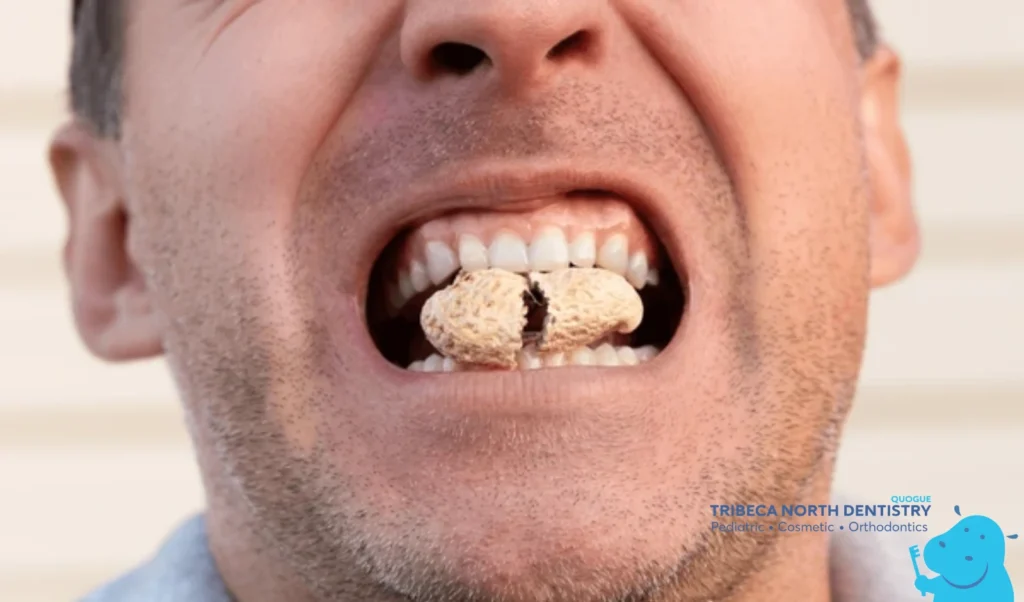
What Can Cause a Chipped Tooth?
Anyone can chip a tooth, and it often happens during everyday life. Common causes include:
- Biting something hard
- Grinding or clenching
- Accidents or falls
- Normal wear
- Tooth decay that weakens the surface
These things can lead to a chip or crack, a broken tooth, or a tiny area where the tooth breaks slightly. Chips can happen on front teeth or back teeth, and either one may be painless at first. So if you’ve noticed a chipped tooth with no pain, you are not alone.
What Signs Might You Notice?
Even if a slightly chipped tooth causes no pain, you may still see or feel:
- A rough or uneven surface
- A small chip in the mirror
- Food catching on the tooth
- A bite that feels different
Catching these signs early may help prevent further damage and protect your smile.
What To Do If a Chipped Tooth Doesn’t Hurt
If you’re wondering what to do, some simple comfort steps may help until you can see a dentist.
You can gently rinse your mouth with warm water to help keep the area clean. Try not to chew very hard foods on the chipped side, and keep track of any changes such as irritation from a sharp edge or new sensitivity. If a sharp edge bothers your tongue or cheek, you can cover it with dental wax from the pharmacy. If you find the broken piece, keep it and bring it to your visit.
These tips are for comfort only. They do not repair the chip, so we recommend scheduling a dental visit soon, even if nothing hurts. Call us right away if you have pain, swelling, bleeding, or a large break, or if the chip came from a fall or blow to the face. If you have facial swelling with fever, or trouble swallowing or breathing, go to the ER or call 911.
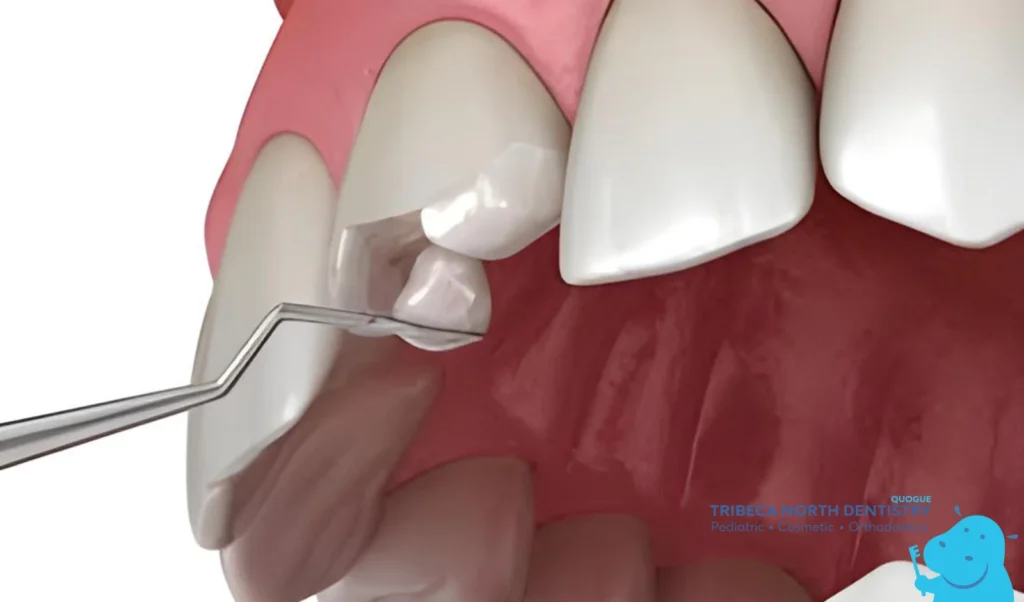
How Dentists May Help Fix a Chipped Tooth
We see chipped teeth every day, including cases where patients say they chipped a tooth but no pain was present. Our approach to fixing a chipped tooth often depends on:
- The size of the chip or fracture
- Whether it’s on a front tooth or back tooth
- The strength of the remaining tooth structure
For a small chip, the surface may be smoothed or restored with dental bonding, a tooth-colored material shaped to match your tooth. For a larger chip, a crown (a cap that covers the tooth) or a veneer may be options. If damage reaches the pulp, root canal treatment may be needed. If a tooth cannot be saved, your dentist may talk about replacing it, such as with a dental implant.
The goal is always to protect the tooth and help you feel comfortable.
Why You Shouldn’t Ignore a Chip
Even if a chipped tooth causes no pain, a chip may still:
- Cause the tooth to wear faster
- Trap plaque and food
- Lead to more chips or cracks later
Checking in early can help prevent further damage so the situation doesn’t grow into something more complex.
Can a Painless Chip Change Over Time?
Sometimes a small chip stays the same. Other times, the area weakens and the tooth breaks further. If deeper damage develops later, treatment choices may change. Being proactive helps protect both tooth enamel and deeper layers, and supports your peace of mind.
How To Lower the Risk of Future Chips
You may help reduce the risk of another chip by:
- Wearing a mouthguard during sports
- Asking your dentist about a night guard if you grind or clench
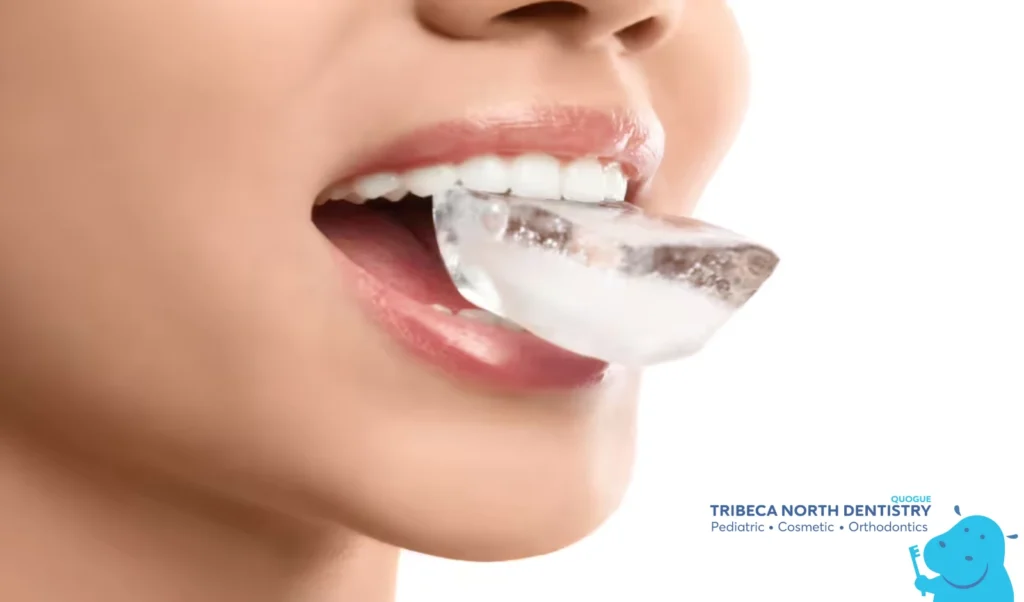
- Avoiding chewing ice or very hard foods
- Practicing good daily care to reduce tooth decay
- Attending regular dental visits
These habits can help support long-term smile health.
Final Thought
If you have a chipped tooth with no pain, you’re already taking a positive step by learning more. A painless chip doesn’t always mean serious trouble, and there are many gentle ways to protect chipped teeth and keep you comfortable. Whether it’s a minor chip or something larger, a dental checkup can help you move forward with confidence.
Worried About a Chipped Tooth? We’re Here For You
If you’re unsure what to do about a chipped tooth with no pain or want friendly advice about fixing a chipped tooth, the compassionate team at Tribeca Quogue is happy to help with calm, reassuring care.
Call 631-996-3811 to schedule a visit or ask questions.
You don’t have to handle dental concerns alone. Supportive care is within reach.
Frequently Asked Questions
Why doesn’t my chipped tooth hurt?
Most painless chips affect only the enamel, the hard outer layer that has no nerves. The nerve sits deeper, in the pulp, so it may still be covered and protected.
Is it okay to leave a small chip alone if it doesn’t hurt?
It’s best to have even a small, painless chip checked by a dentist. An exam shows whether the chip is only in the enamel and whether it needs smoothing or repair.
How do dentists fix a small chipped tooth?
Small chips are often smoothed or repaired with dental bonding, a tooth-colored material shaped to match your tooth. Larger chips may need a crown or veneer.
Can a chipped tooth heal on its own?
No, a chipped tooth cannot heal on its own because enamel does not grow back. A dentist can smooth or repair the chip.
What can I do at home until my dental visit?
Rinse gently with warm water, avoid chewing hard foods on that side, and cover a sharp edge with dental wax. These steps are for comfort only and do not repair the chip.
When is a chipped tooth an emergency?
Call your dentist right away if you have pain, bleeding, swelling, or a large break, or if the chip came from a fall or blow to the face. Go to the ER or call 911 if you have facial swelling with fever, or trouble swallowing or breathing.


