
Chipped Tooth But No Pain? Your Reassuring Guide
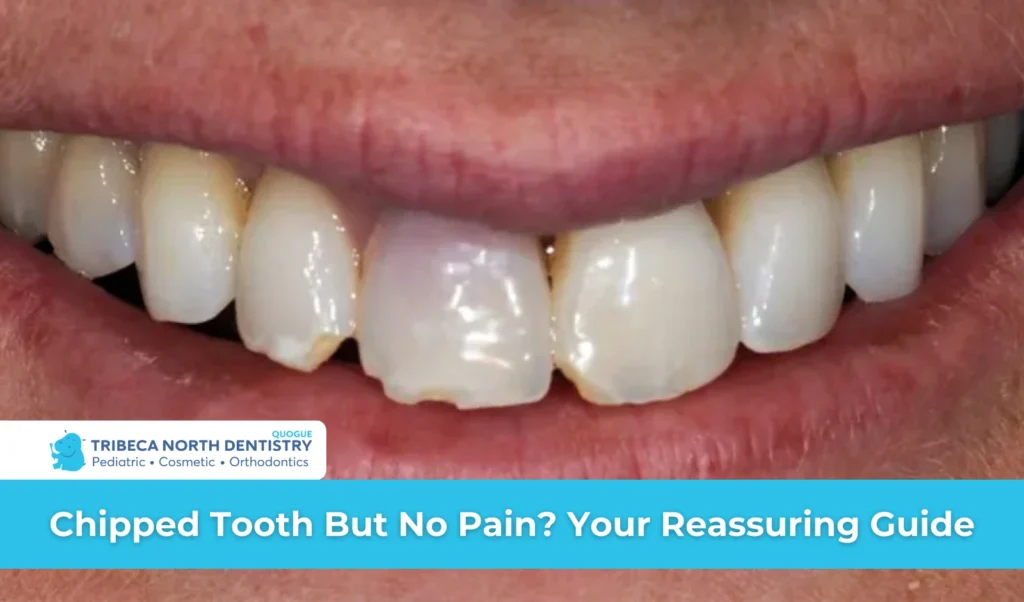
Finding a tooth chipped but no pain can feel surprising and confusing. Many people only notice a small chip while eating, brushing, or looking in the mirror, and then start to worry. You may wonder what a slightly chipped tooth no pain situation really means, why there’s no soreness, or whether a sharp edge could cause trouble later.
This calm, easy-to-read guide explains why some chipped teeth don’t hurt, what signs to look for, and how dental teams may approach fixing a chipped tooth. The goal is simple: help you feel supported and informed, not stressed.
Why a Chipped Tooth Might Not Hurt
Sometimes a slightly chipped tooth doesn’t cause discomfort because only the outer layer is affected. This outer shell is called tooth enamel, and it doesn’t have nerves. So, if only a minor chip is present, everything may still feel normal when you chew or talk.
In other cases, the deeper tooth structure still protects the area around the nerve. This is why you may have a tooth chipped off no pain experience, whether it happens to a front tooth or one in the back. Some people also mention the phrase tooth’s nerve, but what matters most is that it may still be protected.
Even when there isn’t soreness, a sharp edge may rub the tongue or cheek. Sometimes people say they chipped a tooth but no pain was felt at first, but they later notice the tooth feels slightly different.
What Can Cause a Chipped Tooth?
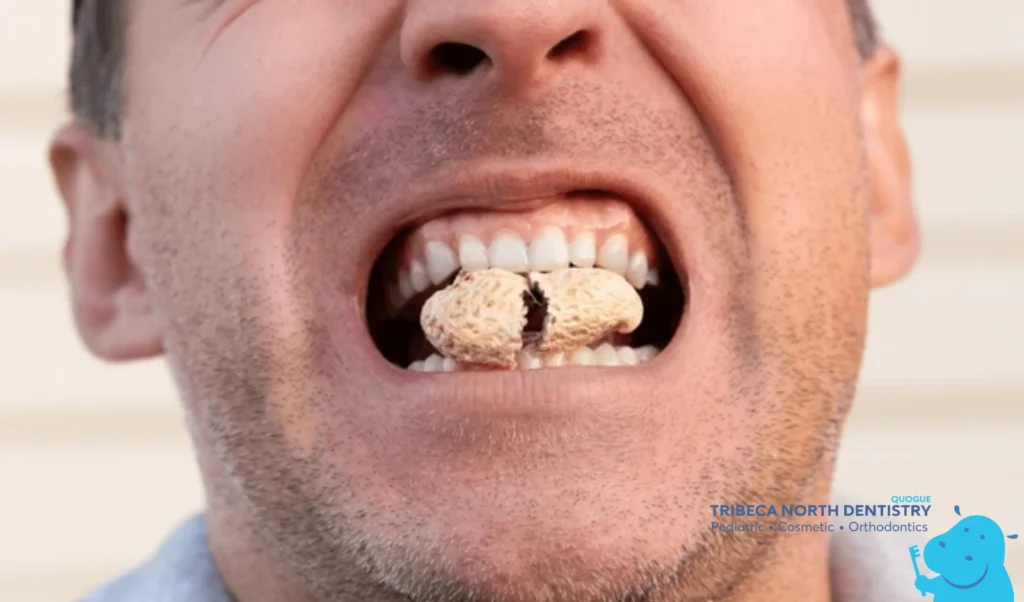
Anyone can chip a tooth, and it often happens during everyday life. Common causes include:
- Biting something hard
- Grinding or clenching
- Accidents or falls
- Normal wear
- Tooth decay that weakens the surface
These things can lead to a chip or crack, a broken tooth, or a tiny area where the tooth breaks slightly. A front tooth can chip just as easily as any other tooth, and either one may still be painless at first. So if you’ve noticed a tooth chipped but no pain, you are definitely not alone.
What Signs Might You Notice?
Even if there is slightly chipped tooth no pain, you may still see or feel:
- A rough or uneven surface
- A small chip in the mirror
- Food catching on the tooth
- A bite that feels different
Catching these signs early may help prevent further damage and protect your smile.
Chipped Tooth No Pain, What To Do
If you’re wondering what to do, some simple comfort steps may help while you plan your next move.
You can gently rinse your mouth with warm water to help keep the area clean. Try not to chew very hard foods on the chipped side, and keep track of any changes such as irritation from a sharp edge or new sensitivity.
These tips are for comfort only. They do not diagnose the cause, but they may help you feel more at ease until you receive guidance from a dental professional.
How Dentists May Help Fix a Chipped Tooth
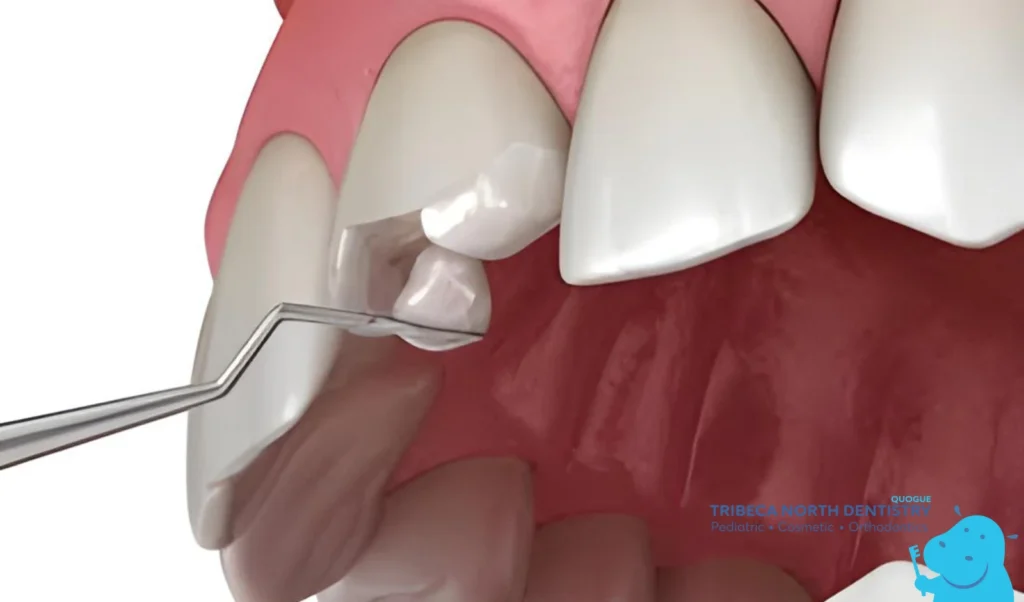
Dental teams see chipped teeth every day, including cases where patients say they chipped a tooth but no pain was present. The approach to fixing a chipped tooth often depends on:
- The size of the minor chip or fracture
- Whether it’s on a front tooth or back tooth
- The strength of the tooth structure
For a small chip, the surface may be smoothed or restored with dental bonding. If a chip or crack becomes a broken tooth or reaches deeper layers, a dentist may discuss other options. In some cases, treatment may involve root canals or even a dental implant, but usually only when damage is severe.
The goal is always to protect the tooth and help you feel comfortable.
Why You Shouldn’t Ignore a Chip
Even if there is tooth chipped but no pain, a chip may still:
- Cause the tooth to wear faster
- Trap plaque and food
- Lead to more chips or cracks later
Checking in early can help prevent further damage so the situation doesn’t grow into something more complex.
Can a Painless Chip Change Over Time?
Sometimes a small chip stays the same. Other times, the area weakens and the tooth breaks further. If deeper damage develops later, treatment choices may change. Being proactive helps protect both tooth enamel and deeper layers, and supports your peace of mind.
How To Lower the Risk of Future Chips
You may help reduce the risk of another chip by:
- Wearing a mouthguard during sports
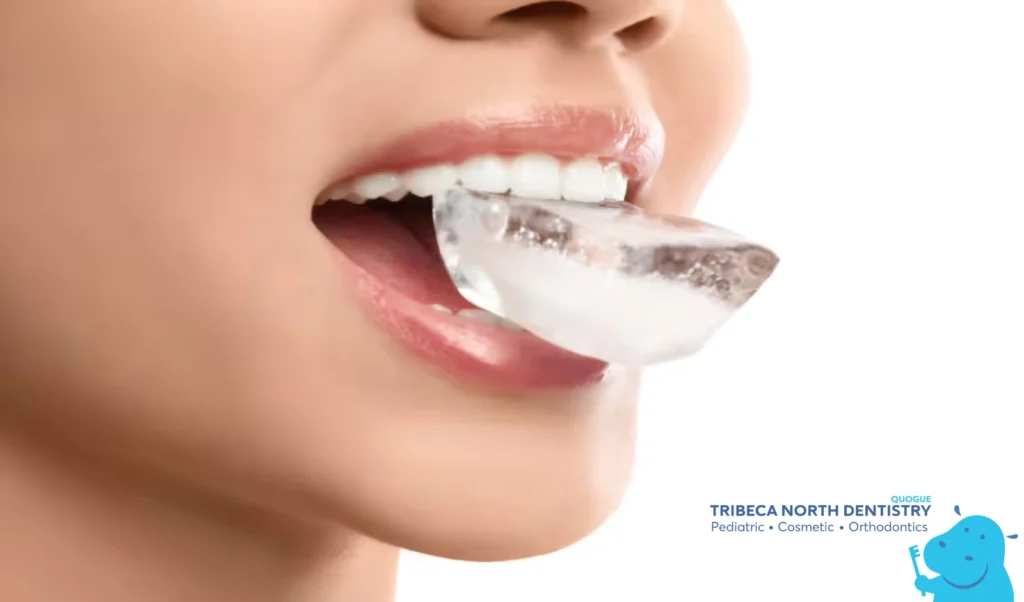
- Avoiding chewing ice or very hard foods
- Practicing good daily care to reduce tooth decay
- Attending regular dental visits
These habits can help support long-term smile health.
Final Thought
If you have a tooth chipped but no pain, you’re already taking a positive step by learning more. A painless chip doesn’t always mean serious trouble, and there are many gentle ways to protect chipped teeth and restore comfort. Whether it’s a minor chip or something larger, caring guidance can help you move forward with confidence.
Worried About a Chipped Tooth? We’re Here For You
If you’re unsure what to do about a chipped tooth with no pain or want friendly advice about fixing a chipped tooth, the compassionate team at Tribeca North Dentistry – Quogue is happy to help with calm, reassuring care.
Call 631-996-3811 to schedule a visit or ask questions.
You don’t have to handle dental concerns alone. Supportive care is always within reach.
