
Chipped Tooth No Pain Molar:
What to Know
Quick Answer
Can a molar chip without causing pain?
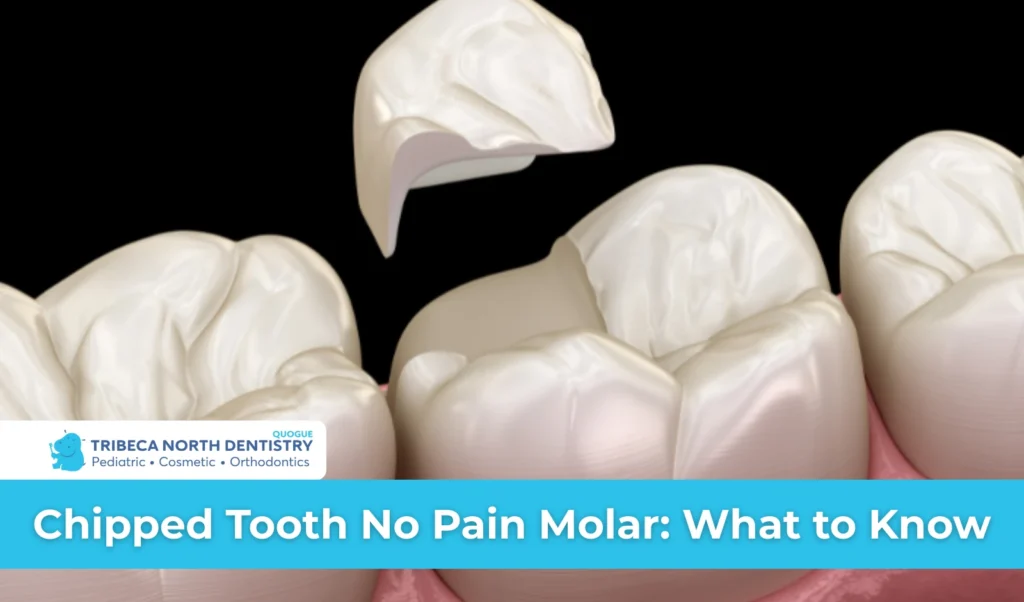
Yes. A chipped molar tooth no pain can happen, especially if the damage is limited to the outer enamel and doesn’t affect deeper layers.
Key Takeaways:
- A small chip or crack in a molar may not cause pain right away.
- Even minor chips can trap food and bacteria if left untreated.
- Regular dental checkups can prevent more serious problems later.
- Knowing the signs of damage early helps protect your teeth from bigger issues.
A chipped molar tooth no pain is something that many people experience without even realizing it. Sometimes, a small chip or crack on a back tooth is only noticed when brushing, chewing, or running your tongue over the tooth.
Even if there is no pain, it’s important to understand what a chipped tooth can mean and how to take care of it. Minor chips might seem harmless at first, but they can cause problems if ignored. Tiny cracks can trap food and bacteria, leading to decay, sensitivity, or in some cases, more serious treatments like a root canal.
Chipped teeth are actually quite common. Molars, which are the large teeth at the back of the mouth, are used for chewing hard foods every day. Because of this, they are more likely to get a small chip or crack. Understanding the causes, signs, and ways to protect your teeth is important for keeping them healthy for years.
How a Molar Can Chip Without Pain
Not all chipped teeth hurt. Molars have a hard enamel layer that covers a softer dentin layer inside. If a chip or crack only affects the enamel, it might not cause any discomfort.
Many people find out their tooth is chipped only because they:
- Feel a rough edge with their tongue
- Notice a tiny piece missing
- See slight discoloration on the tooth
A chip or crack in a molar can happen quietly. The inner layers and nerves of the tooth may stay untouched, which is why a chipped molar tooth no pain is common. Even though it doesn’t hurt now, ignoring the problem can let the chip get bigger or the crack grow, possibly leading to more serious dental issues.
Signs You Might Have a Chipped Molar Tooth
Even if the tooth doesn’t hurt, there are ways to know if it is chipped:
- Rough or sharp edges that catch your tongue or food
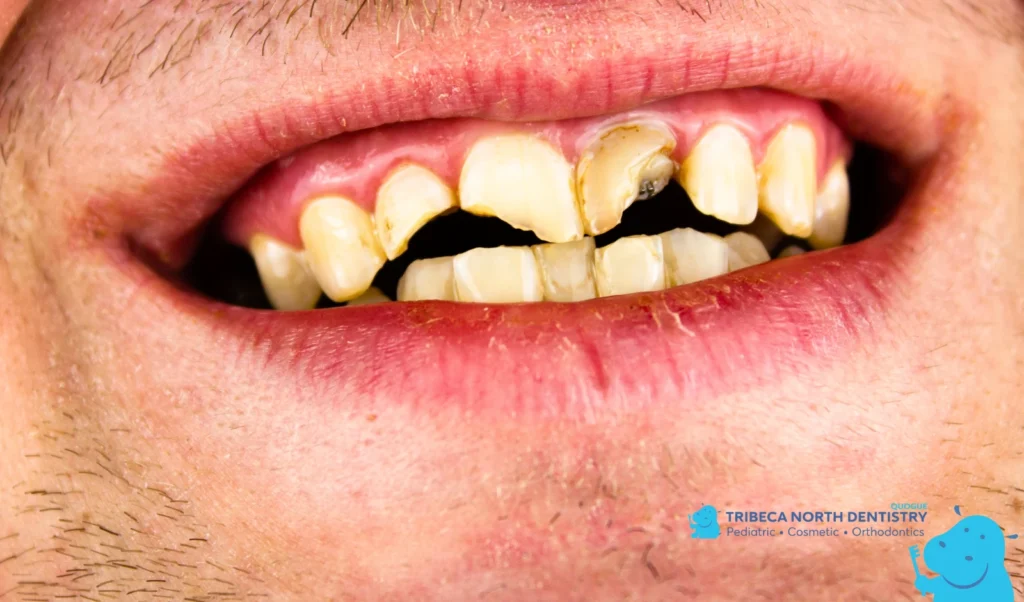
- Visible minor chip or missing piece on the tooth
- Small cracks or lines in the enamel
- Slight sensitivity to hot or cold foods
- Discoloration or a dull spot where the enamel is broken
Paying attention to these signs early can prevent bigger problems. In some cases, untreated cracks may eventually reach the inner layers of the tooth, which could require a root canal.

Common Causes of a Chipped Tooth
A chipped molar tooth no pain can happen in everyday life. Some common causes include:
- Eating hard foods like nuts, candy, ice, or popcorn kernels
- Biting objects like pens, fingernails, or hard candies
- Accidental injuries from falls, sports, or impacts
- Grinding or clenching teeth, often while sleeping
- Aging enamel, which becomes weaker over time
- Dental restorations like fillings or crowns wearing down
Even if none of these situations cause pain at first, they increase the chance of a small chip or crack forming. These tiny chips are easy to overlook but can cause bigger issues over time.
Why Early Awareness Matters
Even if a chipped tooth doesn’t hurt, it’s important to pay attention. A small chip or crack can trap food and bacteria, which may lead to:
- Cavities
- Infection
- Erosion of enamel
Sometimes, untreated cracks extend deeper into the tooth. If bacteria reach the inner pulp, this could require a root canal to save the tooth.
Regular dental checkups can help spot these issues early. By taking care of a minor chip or crack before it gets worse, you can avoid complex treatments and keep the tooth healthy.
How a Chip or Crack Can Progress
A minor chip might not cause problems for months or years, but it can get worse over time if:
- The chip grows larger from pressure while chewing
- Cracks extend deeper into the inner layers of the tooth
- Food and bacteria accumulate in the damaged area
If left unchecked, these issues could lead to tooth decay, infection, or the need for a root canal. Recognizing small chips early is one of the best ways to protect your teeth and avoid costly treatments later.
Daily Care and Prevention for a Chipped Tooth
Even minor chips should be cared for to prevent them from getting worse. Helpful tips include:
- Brush gently and regularly to clean the tooth and remove food particles
- Floss carefully to avoid catching the chipped tooth or edges
- Avoid very hard foods that could worsen a chip or crack
- Rinse after meals to remove trapped food from small cracks
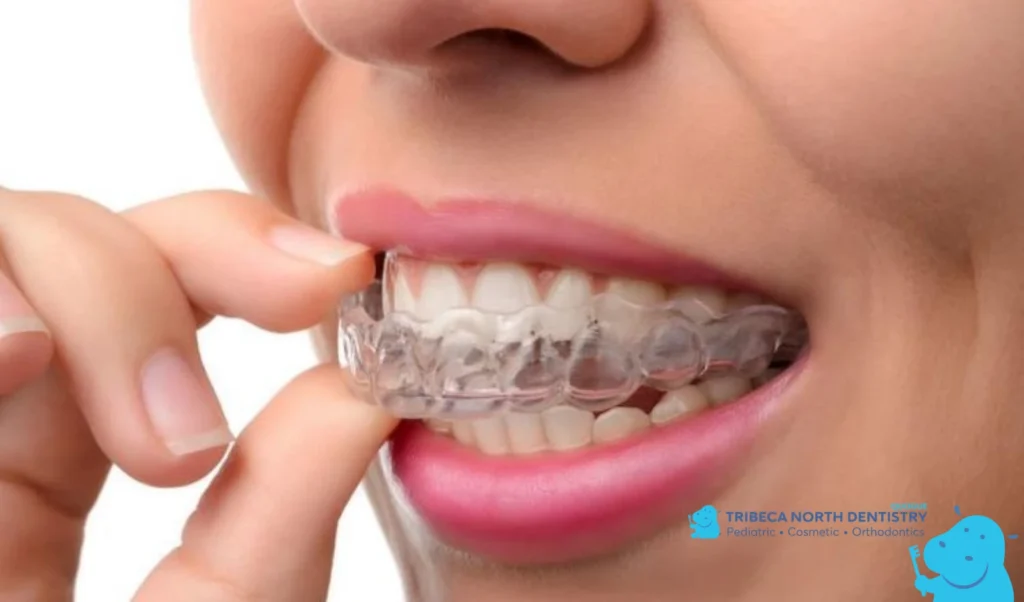
- Use a mouthguard if you grind your teeth at night
- Limit acidic drinks like soda, which can weaken enamel
- Schedule regular dental checkups to monitor minor chips before they become serious
These habits help make sure a minor chip does not turn into a larger problem requiring a root canal or other extensive treatment.
The Impact of a Minor Chip Over Time
Even a tiny chip can affect your teeth if it’s ignored. A small crack may:
- Make chewing slightly uncomfortable or uneven
- Catch food, leading to plaque buildup and staining
- Gradually worsen over time, affecting the tooth’s strength and appearance
By paying attention to minor chips and cracks, you can prevent bigger issues and maintain a healthy, confident smile.
When Professional Evaluation is Important
A chipped molar tooth no pain may not seem urgent, but a dentist can provide important guidance. A professional can:
- Check if the minor chip or crack is superficial or deeper
- Recommend ways to protect the tooth
- Give guidance for monitoring the tooth at home
- Spot early signs that a chip could progress, reducing the risk of decay or infection
Professional evaluation helps prevent minor chips from turning into serious dental problems.
Final Thoughts
A chipped molar tooth no pain doesn’t always mean an emergency, but early detection is very important. Even small chips or cracks can cause long-term damage if ignored.
Understanding the signs, causes, and preventive measures is the best way to protect your teeth. Regular checkups help ensure minor issues don’t become major treatments like a root canal.
Being proactive allows early intervention and helps keep molars strong and functional for years.
Book a Checkup for Your Chipped Tooth
If you notice a chipped tooth, minor chip, or chip or crack in a molar, schedule a professional evaluation at Tribeca North Dentistry – Quogue to make sure your teeth stay healthy and strong.
Frequently Asked Questions
Could my chipped molar get worse over time?
Yes, even if it doesn’t hurt now, the chip could catch food or gradually become larger if left unchecked.
Will my chipped tooth eventually start hurting?
Not necessarily. Pain usually depends on whether the inner layers of the tooth are affected, so some chips remain painless.
Can I fix my chipped tooth myself without going to a dentist?
Minor chips might not need immediate treatment, but seeing a dentist can help prevent future problems and make sure my tooth stays healthy.
How do I know if my chip or crack needs a root canal?
A dentist can assess whether the crack reaches the pulp. Early evaluation helps determine if a root canal or preventive care is needed.
