
Chipped Back Tooth No Pain? A Helpful Guide for You
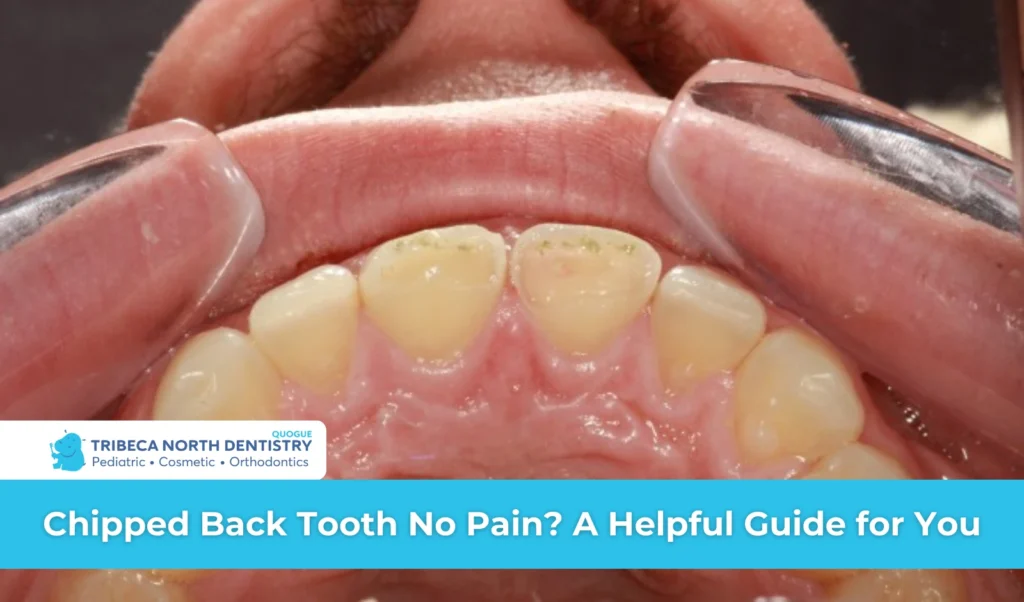
Noticing a chipped back tooth no pain can feel surprising and confusing. Many people expect a broken tooth, chipped tooth, or chip or crack to cause pain right away. When there is no discomfort, it may be hard to tell whether the issue is serious or something that can wait. It’s normal to ask yourself why it didn’t hurt, whether the tooth is now weaker, and what you should do next.
Even when there is no soreness, a chipped tooth still matters. Your back teeth help you chew, speak, and support your bite every day. This guide explains why a back tooth chipped no pain situation may happen, what signs to notice, what dentists may talk to you about, and when it may help to reach out for professional guidance.
Why a Back Tooth May Chip Without Pain
Sometimes a back tooth chipped off no pain happens because only the outer layer of the tooth, the enamel is affected. Enamel is strong but does not contain nerves. So a minor chip in this layer may not cause discomfort at first, even though the tooth has changed.
A chipped back tooth no pain situation may occur due to several everyday reasons:
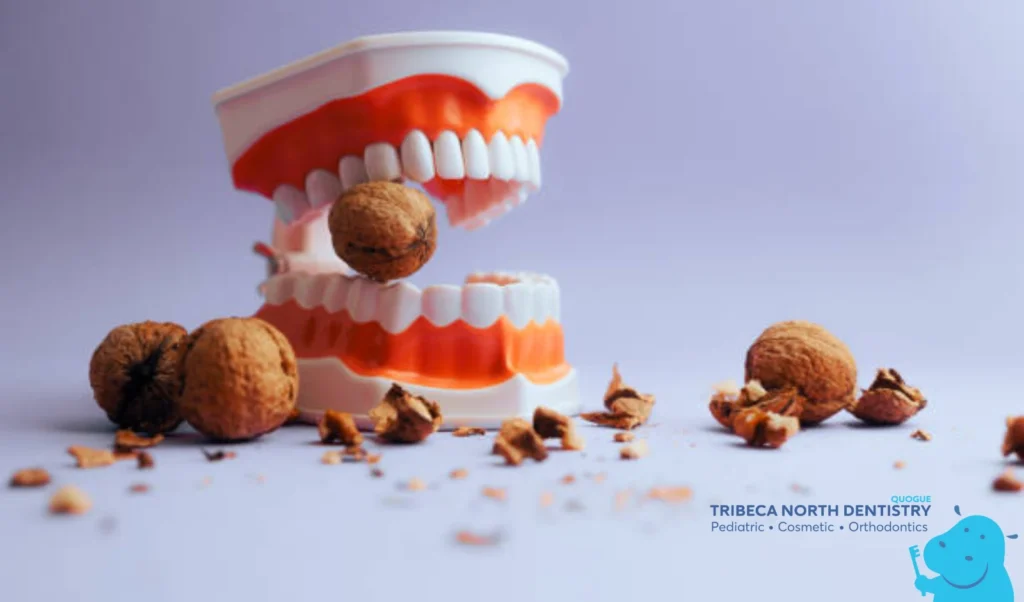
Biting Something Hard
Hard foods like nuts, ice, or candy can place uneven pressure on a tooth. This can sometimes lead to a small chip or crack.
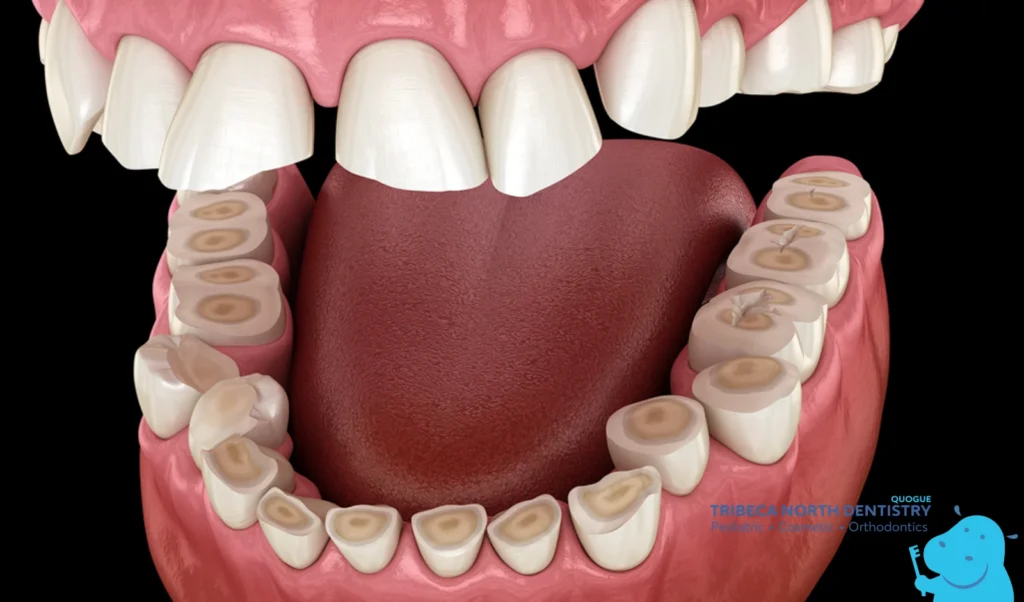
Grinding Bruxism
Grinding bruxism, especially during sleep or stress, places repeated force on the teeth. Over time this may contribute to cracked teeth or tiny fractures.
Natural Wear and Aging
As enamel thins with use, back teeth which handle most chewing may become more likely to chip.
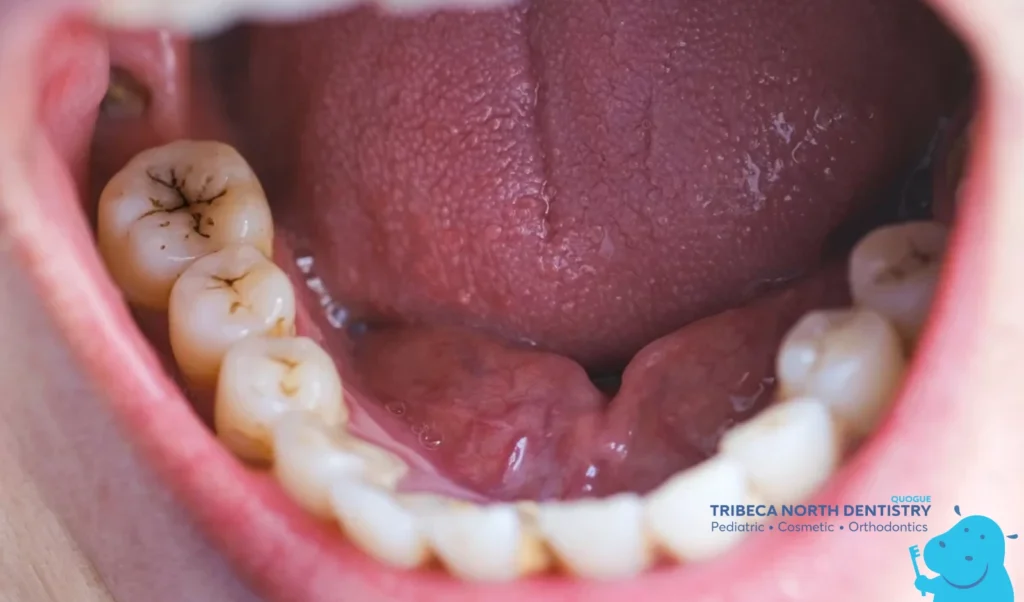
Tooth Decay
Areas weakened by tooth decay may chip more easily, especially if the structure becomes brittle.
Accidental Trauma
Sports bumps, falls, or chewing on pens or fingernails can cause a broken tooth, even without pain.
Often, the first thing you notice isn’t pain, it’s a sharp edge or rough area when your tongue touches the tooth.
Common Signs You Might Notice, Even Without Pain
Even if there is no discomfort, you may experience changes such as:
- A rough or sharp edge
- Food getting stuck near the tooth
- A visible chip or crack
- A slight change in your bite
- Mild sensitivity that comes and goes
These don’t always mean anything serious is wrong, but they are helpful signals to be aware of.
Can a Chipped Tooth Change Over Time?
Not every chipped tooth becomes worse. However, a back tooth chipped no pain may sometimes:
- Wear further during chewing
- Spread into deeper layers of the tooth
- Collect more plaque, increasing the risk of tooth decay
- Be affected by grinding bruxism
Understanding these possibilities is not meant to cause worry, only to help you stay informed.
What a Dentist May Discuss With You
If you choose to see a dentist about a back tooth chipped off with no pain, they will look at the tooth and explain what they see in simple terms. Depending on the situation, they may discuss options such as:
Dental Bonding: For a minor chip, dental bonding may be suggested to smooth or rebuild the area with tooth-colored material.
Crowns or Onlays: Larger chips or cracked teeth may benefit from a custom cover to protect and support the tooth.
Root Canal: If the inside of the tooth ever becomes affected later, a root canal may be discussed as a way to preserve the tooth. This is usually considered when deeper areas are involved.
These discussions are simply meant to explain possibilities, not to diagnose or recommend treatment without a full evaluation.
Simple Tips You Can Use at Home
If you have a chipped back tooth no pain, a few everyday habits may support comfort while you plan your next step:
- Try chewing more on the opposite side for now
- Avoid very hard or sticky foods
- Brush and clean gently around the tooth
- Be careful of a sharp edge touching your tongue or cheek
These ideas support awareness, not treatment, and do not replace professional advice.
When Might It Be Helpful to Call a Dentist?
You may consider contacting a dental office if you notice:
- A visible chipped tooth or broken tooth
- New sensitivity or discomfort
- Irritation from a sharp edge
- A history of grinding bruxism
- Signs of tooth decay
- Concerns about chewing or how the tooth looks
Calling sooner rather than later often helps keep solutions simple, and gives you peace of mind.
Why Emotional Reassurance Matters
Many people feel uneasy when something unexpected happens with their teeth, especially a back tooth chipped with no pain. It is completely normal to want clarity, reassurance, and calm guidance. Dental teams regularly support patients through situations like this with kindness and respect.
You don’t have to figure it out alone.
Final Thoughts
A chipped back tooth no pain situation may not seem urgent, but your comfort and confidence still matter. Even a minor chip deserves attention simply because your teeth work hard for you every day. Understanding possible causes, noticing changes, and knowing when to reach out can help you feel calm and in control.
Most people feel much better once they have clear information and a caring dental team to talk to. You deserve patient-focused support without pressure or worry.
Gentle Support for Your Smile Starts Here
If you’ve discovered a back tooth chipped off with no pain, the compassionate team at Tribeca North Dentistry – Quogue is here to help.
Whether you’re dealing with a minor chip, cracked teeth, or a broken tooth, you’ll receive friendly guidance, clear explanations, and a calm environment where your comfort comes first. We listen carefully, answer questions, and help you understand your options, at your pace.
Call 631-996-3811 today to schedule an appointment with Tribeca North Dentistry – Quogue and get the supportive, reassuring care your smile deserves.
Frequently Asked Questions
Why doesn’t my chipped back tooth hurt?
A chipped back tooth no pain often indicates that only the outer enamel layer has been affected. Because enamel does not contain nerves, discomfort may not be experienced immediately.
Can a chipped back tooth become worse over time?
Yes. A back tooth chipped no pain may change with normal chewing or grinding bruxism. For this reason, it is advisable to have the tooth evaluated by a dentist when convenient.
How might a dentist repair a chipped tooth?
Depending on the size and location of the chip or crack, a dentist may discuss options such as dental bonding, a crown, or smoothing a sharp edge to help protect the tooth and improve comfort.
