
Headache and Tooth Pain: How One Affects the Other

Tooth pain when eating can quickly disrupt daily life. Chewing may trigger sharp sensitivity, throbbing pain, or pressure that does not fade right away. In many cases, the discomfort extends beyond the tooth. Pain may spread to the jaw, face, or head, making it harder to concentrate, sleep, or enjoy meals.
Ignoring tooth pain often leads to more serious dental issues. What begins as mild irritation can develop into infection, nerve involvement, or recurring headaches. Acting early helps protect dental health and supports strong, lasting oral health.
Can Tooth Pain Cause Headaches and Facial Discomfort
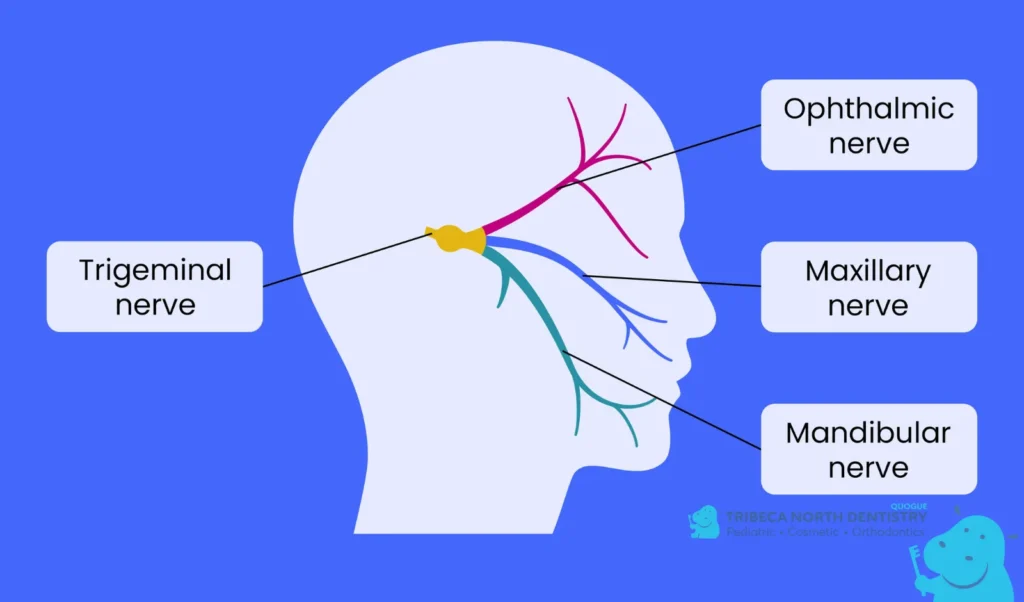
Many people wonder, can tooth pain cause headache, or can tooth pain cause headaches? The answer is yes. A tooth pain headache develops when dental problems irritate nerves connected to the head and face. This is why headache and tooth pain frequently occur at the same time.
Pain may present as pressure behind the eyes, tightness around the temples, or a dull ache across the forehead. These symptoms often worsen during chewing, biting, or clenching.
The trigeminal nerve plays a major role in this process; it connects the teeth, jaw, and head. A damaged or infected tooth activates the trigeminal nerve, which sends pain signals to the brain. Nearby blood vessels may respond as well, increasing head pain or triggering migraine-like symptoms.
Dental Issues That Commonly Trigger Tooth Pain
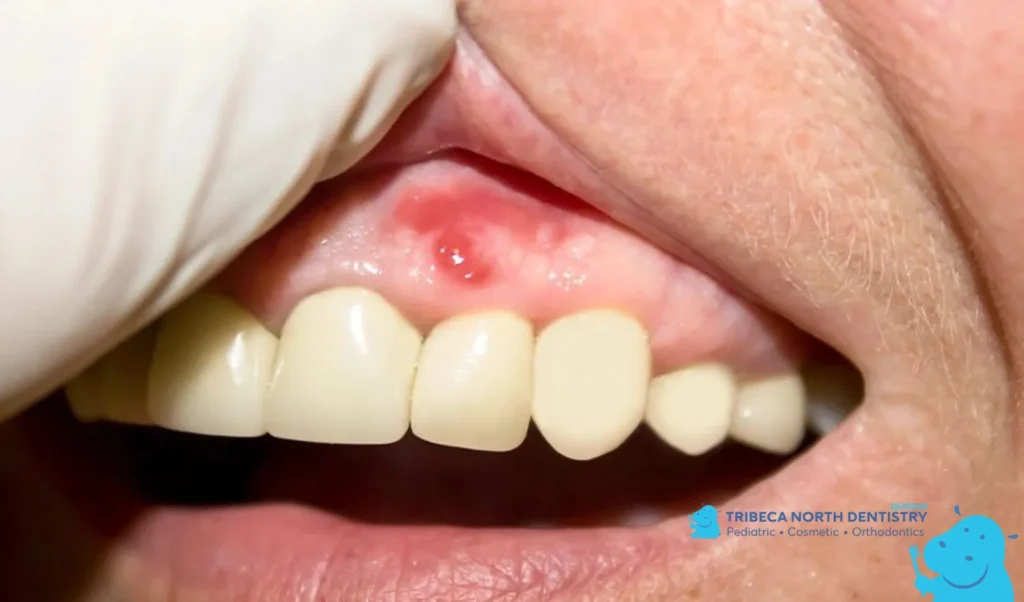
Several dental issues can cause pain while eating and may lead to headaches if left untreated.
Common causes include:
Gum disease that exposes sensitive tooth roots
Bacterial infection in the gums or tooth pulp
Cavities that reach the inner layers of the tooth
Cracked, chipped, or damaged teeth
Untreated dental decay that continues to worsen
When these problems remain untreated, dental pain often becomes stronger and more persistent. Infections may spread beyond the tooth and contribute to jaw pain, facial discomfort, or pressure in the head.
Jaw Disorders, Teeth Grinding, and Muscle Tension
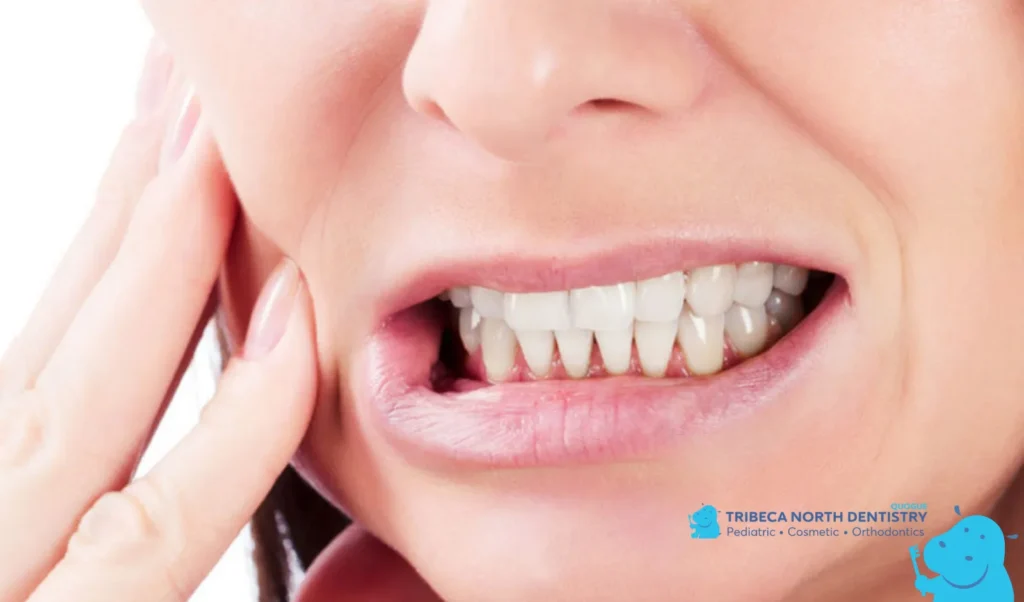
Temporomandibular joint disorders TMJ affect the joint that connects the jaw to the skull. People with temporomandibular joint disorder often experience pain during chewing or jaw movement. Common symptoms include jaw stiffness, clicking sounds, headaches, tooth pain when eating, and discomfort near the ears or temples.
Teeth grinding or bruxism is another frequent cause of jaw and tooth pain. Grinding usually happens during sleep and places constant stress on the teeth and jaw muscles. Over time, this pressure wears down enamel, increases sensitivity, and contributes to recurring headaches.
Tooth Pain While Pregnant
Tooth pain while pregnant is common because of hormonal changes. These changes increase gum sensitivity and raise the risk of gum disease. Morning sickness can also impact dental health. Repeated exposure to stomach acid weakens enamel and leaves teeth more vulnerable to pain.
As enamel wears down, chewing becomes uncomfortable, and sensitivity increases. Maintaining good oral hygiene during pregnancy helps reduce discomfort and protect dental health and oral health.

Why Ignoring Tooth Pain Can Be Dangerous
Ignoring symptoms can lead to serious consequences. An untreated dental infection can spread beyond the mouth and affect other areas of the body. In rare cases, it may develop into a life-threatening condition.
Warning signs that require immediate attention include:
Swelling in the face or jaw
Fever
Worsening throbbing pain
Pain that spreads to the head or neck
Prompt dental care helps prevent complications and protects long-term health.
Home Remedies for Short Term Relief
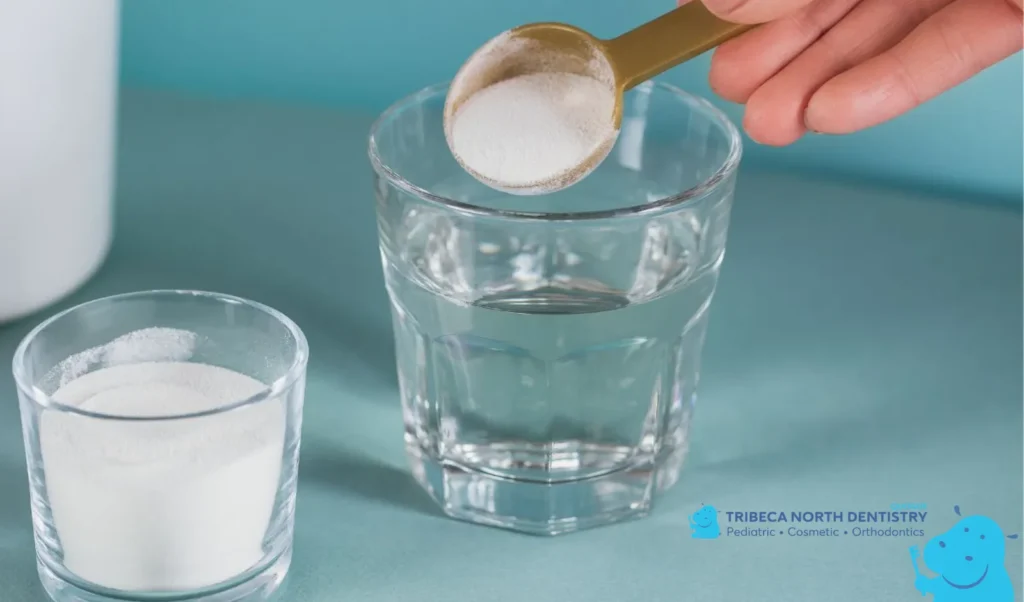
Some home remedies can ease discomfort until professional care is available. Gently rinse your mouth with warm salt water to reduce swelling and cleanse the area. A salt water rinse may calm irritated gums and slow bacterial growth.
Avoid chewing on the painful side and limit hot, cold, or sugary foods. While home remedies provide temporary relief, they do not address the root cause of pain.
Final Thoughts
Tooth pain when eating is not something to ignore. It often signals underlying dental issues that require attention. Addressing symptoms early helps prevent infection, reduce headaches, and protect your smile. With proper care and healthy habits, you can restore comfort and maintain strong dental health.
If pain continues or worsens, professional dental care is essential. A dentist can diagnose the cause and prevent further damage. In severe cases, a root canal may be necessary to remove infection and save the tooth.
Protect Your Smile from Ongoing Pain
Persistent or recurring tooth pain deserves expert attention. At Tribeca North Dentistry Quogue, our caring team helps patients find relief from tooth pain when eating, chewing, sensitivity, gum problems, and other dental concerns.
Call (631) 996-3811 today to book your appointment and discover how professional care can relieve your pain, restore comfort, and keep your smile healthy.
