
Best Medication for Tooth Pain: Safe Relief Options
Toothache pain can be stressful, disruptive, and difficult to ignore. It may interfere with eating, sleeping, or focusing during the day. When discomfort appears, many patients start searching for medicine for tooth pain, tooth pain medicine, or wondering what to take for tooth pain that provides relief quickly and safely.
While medication can help manage discomfort, tooth pain often signals an underlying dental problem that needs professional attention. Learning how pain relief works and when to seek care can help you stay comfortable and protect your oral health.
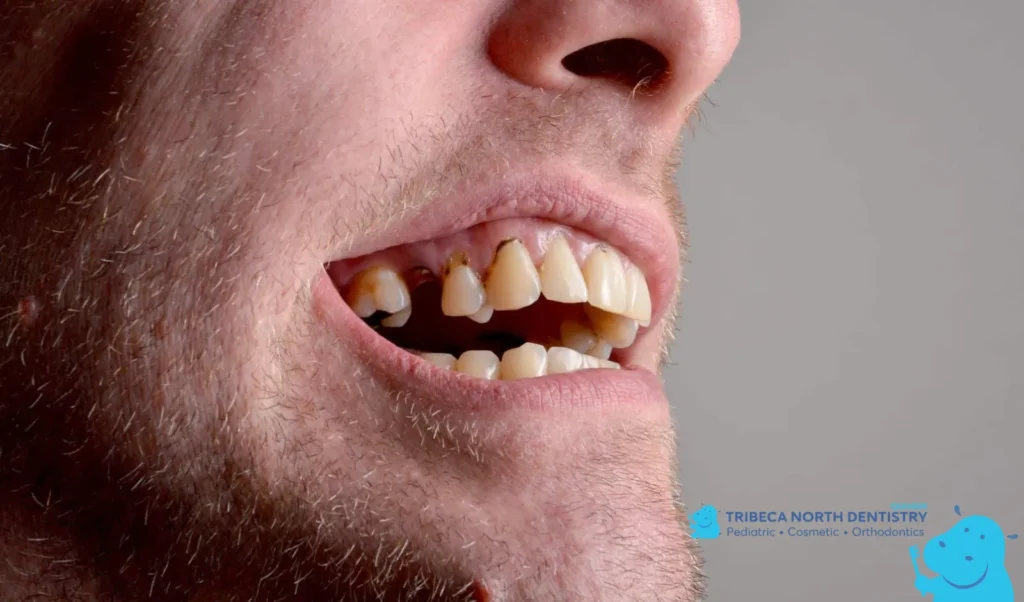
Common Causes of Toothache Pain
Tooth pain can develop for many reasons. Some of the most common include:
- Tooth decay or cavities
- Gum irritation or inflammation
- Cracked or worn enamel
- Sensitivity after dental procedures
- Pressure or swelling around the affected area
Pain may feel sharp, throbbing, or dull. In some cases, pain and inflammation can worsen if left untreated. While tooth pain medication may help reduce pain temporarily, it cannot correct the source of the issue.
Best Medication Options for Tooth Pain
Different medications work in different ways. Some focus on reducing inflammation, while others help block pain signals.
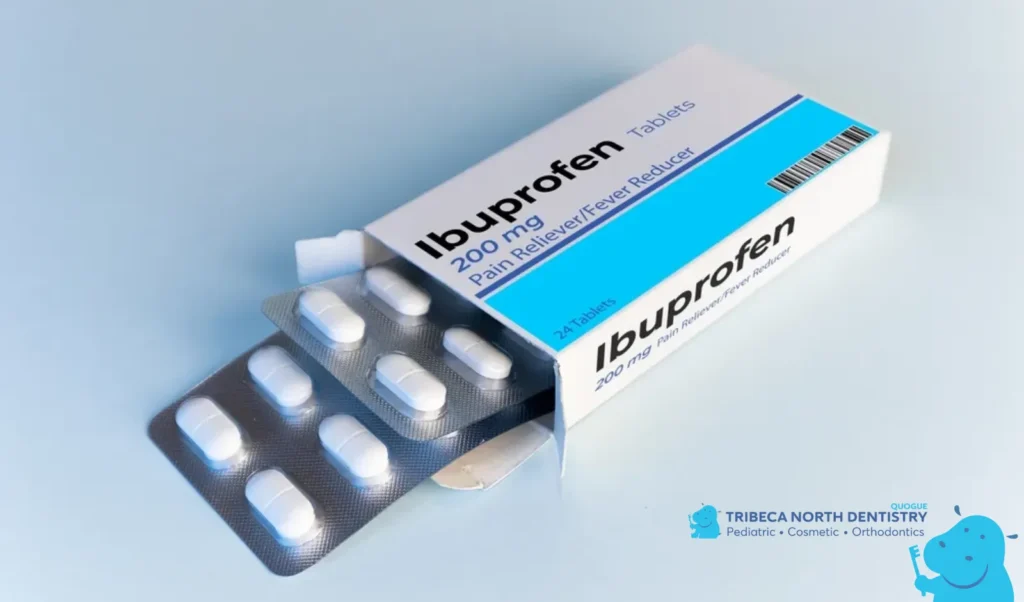
Ibuprofen for Tooth Pain
Many patients find ibuprofen for tooth pain helpful because it targets both pain and inflammation. Ibuprofen belongs to a group called anti-inflammatory drugs (NSAIDs). These medications may help reduce inflammation, which can ease pressure around sensitive tooth structures.
Because of this, ibuprofen is often considered one of the best meds for tooth pain for short-term comfort.
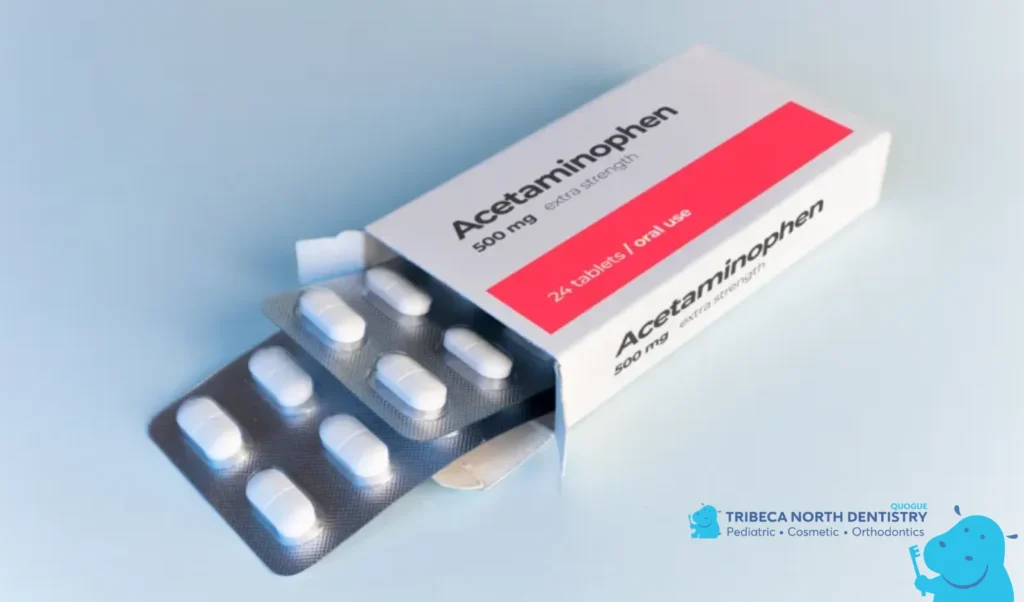
Acetaminophen (Tylenol)
If NSAIDs are not an option, acetaminophen Tylenol is commonly used as a tooth pain relief medicine. It focuses on pain control rather than inflammation and is often easier on the stomach. Many people use small, recommended amounts for temporary relief.
Over-the-Counter Options
Counter OTC options include ibuprofen and acetaminophen. These counter pain relievers are widely available and commonly used for pain management. Always follow label directions and avoid combining medications unless advised by a professional.
Prescription Tooth Pain Medication
In more severe situations, dentists may prescribe stronger medication. One example is tramadol for tooth pain, which may be used for short-term relief when other options are not effective.
Tramadol can help with pain relief but may have side effects such as nausea, dizziness, or drowsiness. Because of this, it is typically reserved for specific cases and is not intended for long-term use.
Temporary Relief at Home
Medication works best when paired with gentle at-home care. These methods may help relieve tooth pain while you wait to see a dentist.

Cold Compress
Applying a cold compress to the outside of the cheek near the affected area may help reduce pain and swelling. This can be especially helpful after dental procedures.

Salt Water Rinses
Rinsing your mouth with warm salt water helps keep the area clean and may soothe irritated tissues. A gentle rinse can support comfort without being harsh on sensitive gums.
Clean and Protect the Area
Keeping the area clean and avoiding pressure on the sore tooth may help prevent discomfort from worsening.
These steps provide temporary relief only. Persistent pain should always be evaluated by a dental professional.
When to Call a Dentist
You should contact a dentist if:
- Toothache pain lasts more than one or two days
- Pain becomes stronger or spreads
- Swelling, sensitivity, or pressure increases
- Pain continues despite counter pain medication
- Discomfort affects daily activities
Prompt care helps prevent complications and supports better long-term outcomes.
Final Thoughts
The best medication for tooth pain depends on your symptoms and overall health. Options like ibuprofen, acetaminophen, and other tooth pain relief medicine can help manage discomfort, but they do not resolve the underlying dental problem. Lasting relief comes from professional care that addresses the true cause.
Need Lasting Relief? Contact Tribeca North Dentistry Today
If your tooth pain isn’t improving or you’re concerned about a lingering dental issue, the team at Tribeca North Dentistry – Quogue is here to help. Their experienced dental professionals can evaluate your symptoms and recommend the right solution for comfort and long-term oral health.
Call today: 631-996-3811
Don’t wait for pain to worsen, reach out today and take the next step toward a healthier, more comfortable smile.
Frequently Asked Questions
What can I take for tooth pain?
Many people use over-the-counter options like ibuprofen or acetaminophen for temporary tooth pain relief, but a dentist should check ongoing pain.
Does tooth pain medicine fix the problem?
No. Tooth pain medicine helps manage discomfort short term, but it does not treat the underlying dental issue.
When should I see a dentist for tooth pain?
If pain lasts more than one or two days or worsens, it’s best to contact a dentist for proper care.
