
When a Small Chipped Tooth No Pain Hints at Hidden Changes
Quick Question and Answer
My tooth is chipped, but it doesn’t hurt. Should I be worried?
Not necessarily. When a chip only affects the outer tooth enamel, it’s common not to feel pain. Even so, noticing the change and staying aware of it over time still matters.
Key Takeaways
- A chipped tooth does not always cause pain or sensitivity
- A minor chip often affects enamel only
- Sharp edges and texture changes are worth noticing
- Leaving a chipped area unchecked can increase wear over time
- Visiting your dentist supports prevention, not just pain relief
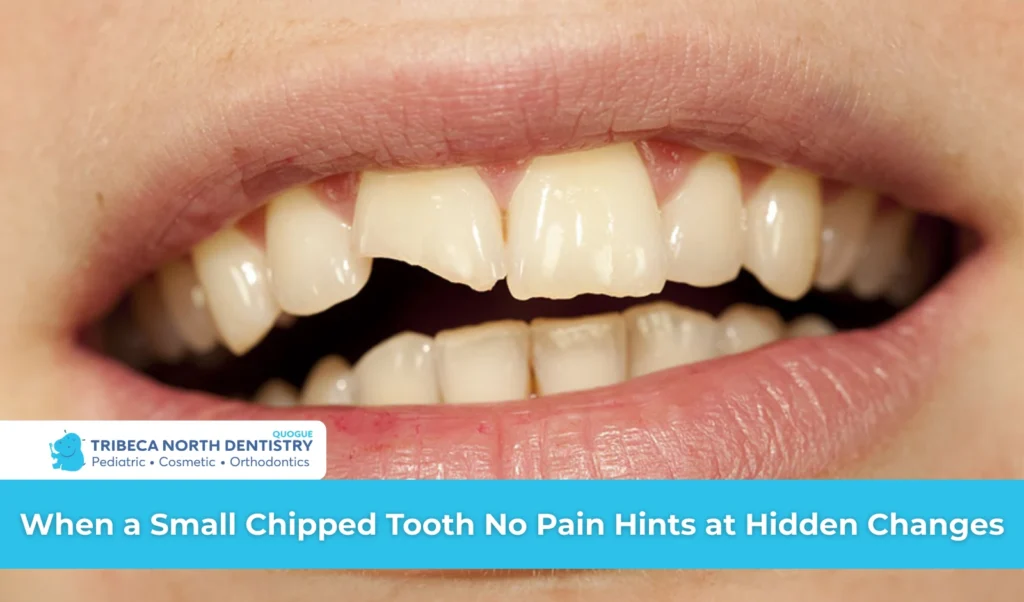
Discovering a rough edge on a tooth can be surprising, especially when there is no pain involved. Many people assume that any chipped tooth or broken tooth must hurt, so a small chip in tooth no pain situation can feel confusing or easy to dismiss. Because everything feels normal, it may seem like nothing needs to be done.
However, teeth can change quietly. Even a minor chip can alter how pressure is distributed across the tooth. Understanding why chipped teeth can occur without pain and what signs are worth noticing helps protect long-term oral health without unnecessary worry.
Why a Tooth Can Chip Without Pain
Teeth are made of layers, and the outermost layer tooth enamel is strong but does not contain nerves. When damage stays limited to this surface, discomfort is unlikely. This explains how a chip or crack can occur without immediate awareness.
A small chipped tooth with no pain experience often develops from everyday stress rather than a single event. Gradual wear, pressure from chewing, or repeated force can all contribute to chipped teeth over time.
What a Minor Chip May Feel Like
A minor chip does not always look dramatic. It may feel like a sharp edge, a slightly uneven surface, or a small notch along the tooth. In some cases, part of the tooth chipped off no pain is only noticed when floss catches or the tongue brushes against the area.
Even when painless, small shape changes can affect how teeth fit together during daily use.
Why the Absence of Pain Can Be Misleading
Pain is commonly associated with dental problems, but it is not the only signal. Enamel damage may remain painless while still increasing wear on the tooth. Over time, leaving a chipped surface exposed may raise the risk of further damage.
While not every chip leads to cracked teeth or tooth decay, awareness plays an important role in prevention.
Habits That Can Contribute to Chipping
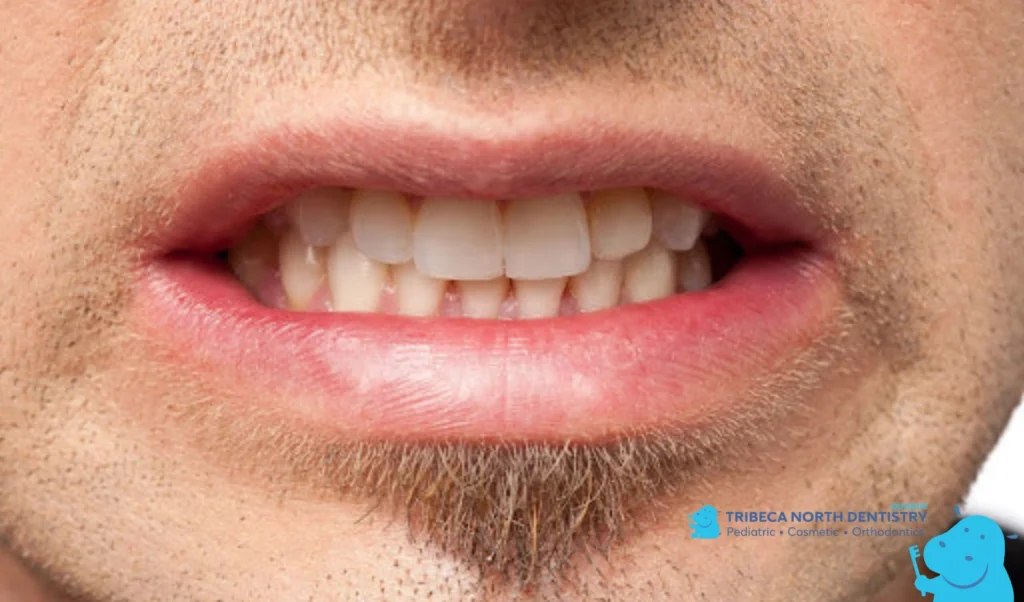
Tooth damage is not always caused by accidents. Common contributors include:
- Teeth grinding during sleep
- Grinding bruxism related to stress
- Using teeth as tools
- Natural enamel wear
Repeated pressure from teeth grinding can weaken enamel and increase the chance of a chip or crack forming gradually.
When It’s Worth Paying Attention
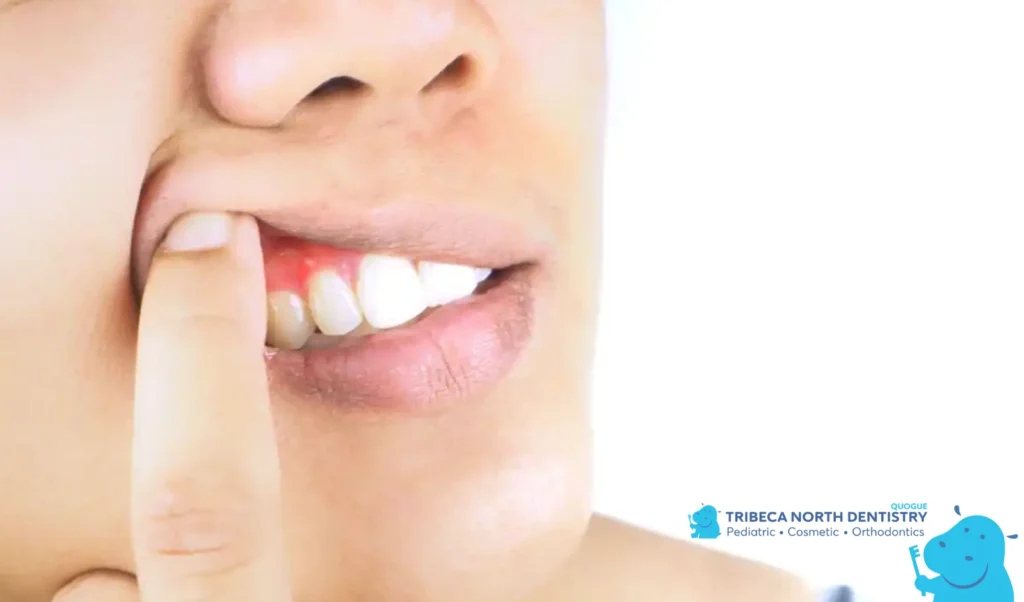
A chipped tooth may deserve attention if the edge feels sharp, food frequently gets trapped, or chewing feels slightly different. Visual changes or irritation of the tongue or gums can also indicate that the tooth surface has shifted.
Routine dental visits focus on identifying these subtle changes early to help prevent further damage.
Appearance and Function
Even when painless, a chipped or broken tooth can affect appearance especially if it is visible when smiling. Some people notice uneven edges, while others experience difficulty keeping the area clean.
In certain situations, options such as dental bonding may be discussed to smooth rough areas or restore the tooth’s shape, depending on individual needs.
The Value of Monitoring
Not every chip requires immediate action. Many remain stable for years. Still, monitoring changes helps reduce the risk of progression into cracked teeth or deeper wear that may later involve more complex care, such as root canals or a dental implant.
Awareness supports long-term strength and function.
Final Thoughts
A chipped tooth without pain can feel easy to ignore, but understanding what it means makes a difference. Teeth are strong, yet repeated stress can slowly weaken enamel over time.
Paying attention to changes, maintaining healthy habits, and avoiding unnecessary pressure on chipped teeth can help protect your smile and prevent further damage.
When to Consider a Dental Visit
If you’ve noticed a chipped tooth, whether or not it causes discomfort, a dental visit can offer clarity and reassurance. Contact Tribeca North Dentistry – Quogue at 631-996-3811 and let our team guide you with clear explanations and a patient-focused approach.
Frequently Asked Questions
Is it normal that I have a small chip in my tooth but no pain?
Yes. When the chip only affects enamel, there are no nerves involved, so pain is unlikely.
How did part of my tooth chip off if I didn’t feel it happen?
Minor chips can develop gradually from everyday pressure, including chewing hard foods or teeth grinding.
If my small chipped tooth doesn’t hurt, can I ignore it?
There is no need to panic, but monitoring it is better than ignoring it completely.
Could this small chip turn into a bigger problem later on?
It might. Some chips remain unchanged, while others experience increased wear over time.
Should I bring this up during a routine appointment even if I feel fine?
Yes. Mentioning small changes during regular visits helps support prevention and long-term tooth health.
